
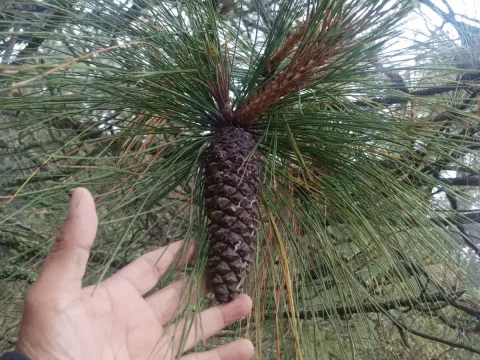
Montezuma pine
Pinus montezumae
The Montezuma pine (Pinus montezumae) is a significant evergreen coniferous species belonging to the Pinaceae family. Known for its distinctively long needles and graceful appearance, it is a key species in high-altitude forest ecosystems.
What the section contains
Montezuma pine
Originating from the mountain regions of Mexico and Guatemala, this species thrives in climates characterized by mild winters and moderate humidity. It is typically found at elevations between 2,000 and 3,000 meters, which defines its ecological preferences.
Successful cultivation requires deep, well-drained soil. This species is intolerant of waterlogged conditions, making effective soil drainage a critical component of its site preparation. Soils should ideally range from slightly acidic to neutral in pH.
In terms of light exposure, the Montezuma pine is a sun-loving plant. It requires full exposure to thrive and maintain its characteristic form. Inadequate sunlight leads to etiolation and a sparse crown, reducing its overall ornamental and timber value.
Agrotechnical management involves careful monitoring of soil moisture during the establishment phase. As the tree matures, it develops moderate drought tolerance, but consistent growth is dependent on maintaining healthy root development in suitable soil conditions.
The primary pathological threats to Pinus montezumae are associated with fungal infections, particularly root rot, which occurs when drainage is inadequate. Managing water content in the soil is the most effective way to prevent these diseases.
Pests such as pine aphids and sawflies can cause localized damage to needles and shoots. Early detection through regular monitoring is essential to avoid severe infestations that might compromise the structural integrity of the tree.
Rust diseases can also affect the needles and branches, especially in areas with high humidity or poor air circulation. Proper spacing between trees is essential to ensure adequate airflow and reduce the incidence of fungal pathogens.
Mechanical damage from severe snow or ice accumulation can occur due to the tree's unique, heavy needle clusters. Proactive pruning of weak or damaged branches helps maintain a balanced structure that can better withstand climatic stress.
Integrated pest management, including the use of appropriate biological controls and mineral nutrition, is recommended to ensure the long-term health of the plantation. Balanced nutrition promotes robust growth and resilience.