
Nothotsuga
Nothotsuga
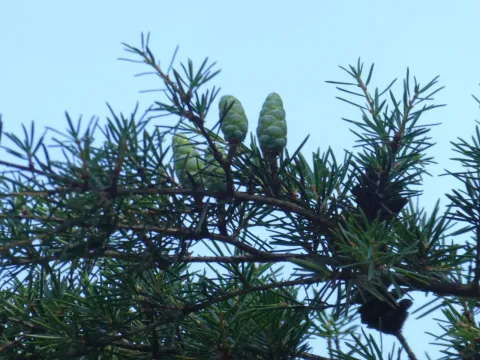
Nothotsuga (Nothotsuga longibracteata) is a unique monotypic genus of evergreen coniferous trees belonging to the Pinaceae family. This relict plant is extremely rare in its natural habitat, occurring primarily in the mountainous regions of Southern China.
What the section contains

Nothotsuga
The culture has strict requirements regarding its microclimate. It prefers cool, humid conditions with high atmospheric moisture and locations protected from strong winds. The tree is adapted to mid-mountain climates characterized by frequent fog and minimal extreme temperature fluctuations.
For successful cultivation, Nothotsuga requires deep, well-drained, and slightly acidic soils rich in organic matter. Waterlogging of the root system is lethal to the plant; therefore, installing a high-quality drainage layer during planting is essential, especially in heavy clay-based substrates.
The plant possesses a specific biological trait: slow growth during its juvenile years, which necessitates special care from agronomists. It is highly sensitive to direct, intense sunlight and thrives best in semi-shaded areas that mimic a natural forest canopy.
In terms of agricultural management, it is critical to maintain a stable soil pH range of 5.5 to 6.5. Fertilizer application should be moderate, prioritizing nitrogen during the active growing phase and potassium-phosphorus supplements to strengthen the wood before the winter season.
The primary threats to Nothotsuga are fungal diseases that proliferate in conditions of poor ventilation and excessive moisture. Root rot and Fusarium wilt are the most common issues affecting young seedlings when drainage management standards are not strictly followed.
Among pests, coniferous aphids and spider mites pose the greatest danger, especially during dry periods. Regular monitoring of foliage health and timely application of systemic insecticides are necessary to control pest outbreaks at their earliest stages.