
Schwerin pine
Pinus x schwerinii Fitschen
Description
Growing requirements
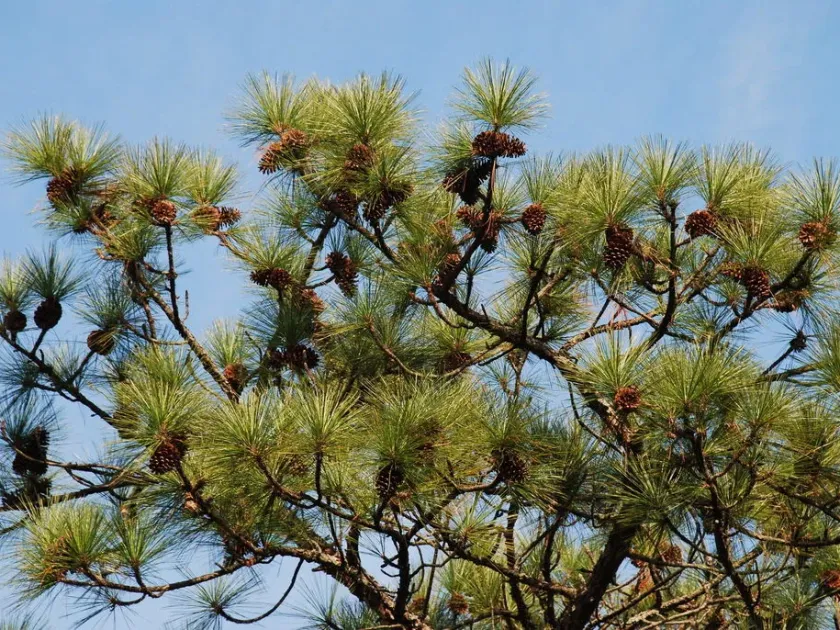
The Schwerin pine (Pinus x schwerinii) is a beautiful hybrid conifer belonging to the Pinaceae family, resulting from the cross between the Eastern white pine and the Himalayan pine. It is highly valued in horticulture for its remarkably long, pendulous, and soft needles that provide a graceful, feathery aesthetic to any landscape.
To thrive, this cultural plant requires deep, fertile, and well-drained soil. It is intolerant of heavy, waterlogged clays which can lead to root rot. Successful establishment depends on choosing a site that offers good aeration and moisture levels without the risk of stagnant water near the root zone.
The tree prefers full sun to light shade, though it performs best in positions shielded from harsh, drying winds. While relatively hardy once established, young specimens benefit from being sited in protected garden areas to mitigate the impact of cold winter snaps and strong gusts that could cause needle burn.
Agrotechnical care includes consistent watering during the first few growing seasons until the tree is fully anchored. Applying a layer of organic mulch around the base helps regulate soil temperature and retain moisture, which is particularly beneficial during the hot summer months.
Schwerin pine is primarily utilized for its high aesthetic value in decorative landscaping. It serves excellently as a focal point in larger garden compositions, specimen planting, or when integrated into arboretums where its unique texture and color can be showcased effectively.
Main diseases and pests
One of the primary threats to the Schwerin pine is white pine blister rust, a fungal disease that can be devastating to five-needled pines. Management requires avoiding the planting of the tree in close proximity to alternate hosts, such as currants or gooseberries, which harbor the rust.
Pests like the pine aphid and various scale insects can cause chlorosis or needle drop by sap-feeding activity. Integrated pest management strategies, including the use of horticultural oils and targeted systemic insecticides, are necessary when infestations are detected early.
Needle cast diseases, often induced by prolonged periods of wet and humid weather, can cause premature needle shedding. Maintaining healthy spacing between trees to ensure good air circulation is essential to reduce the humidity levels that favor these fungal pathogens.
Sawflies and weevils may also target this species, leading to significant foliage damage. Regular visual inspections are vital for effective control, allowing for prompt intervention before damage becomes widespread across the canopy.
Proactive care involves biannual feeding with specialized conifer fertilizers and a rigorous pruning regimen to remove dead or diseased wood. These steps significantly improve the tree's resilience against environmental stressors and potential pathogens.