
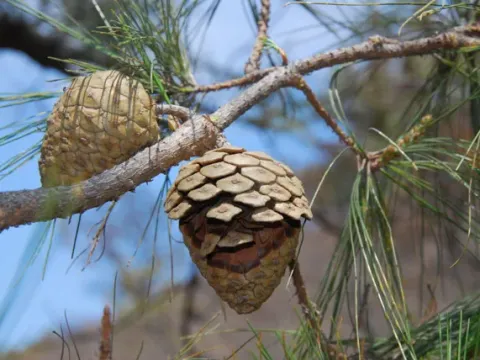
Pinus praetermissa
Pinus praetermissa
Pinus praetermissa, commonly known as the overlooked pine, belongs to the Pinaceae family. It is a coniferous evergreen tree endemic to the western mountain ranges of Mexico, particularly within Jalisco and Nayarit.
What the section contains
Pinus praetermissa
This species thrives in high-altitude environments, typically ranging from 1,000 to 2,000 meters. It is adapted to pine-oak forest ecosystems where environmental conditions are relatively stable throughout the growing season.
Regarding soil requirements, this pine favors well-drained, acidic to neutral soils. It cannot tolerate waterlogged ground, making site selection with adequate slope or porous soil structure critical for long-term health.
The botanical profile includes long, fascicled needles and small, conical woody fruits. It exhibits moderate growth rates and benefits from full sun exposure, which is essential for maintaining the density and vigor of the canopy.
In silvicultural practices, site preparation involves ensuring the soil is free from compaction. Young trees require careful management of irrigation during the establishment phase to encourage deep rooting and overall stability.
The species is susceptible to various fungal pathogens, especially in regions with high atmospheric humidity or poor airflow. Needle cast diseases are among the most common issues observed in crowded stands.
Bark beetles and wood-boring insects represent a significant threat to tree vitality. Preventive management, including the removal of dead or stressed wood, is essential to mitigate the risk of mass infestation.
Root diseases, often caused by soil-borne fungi, can devastate young plantations if the soil drainage is insufficient. Proper site selection remains the best defense against these underground pathogens.
Anthropogenic factors, including habitat loss and forest fires, currently represent the most significant threat to the survival of natural populations in its native Mexican range.
Effective forest management practices, including the use of integrated pest management (IPM), are recommended to ensure the resilience of these pines against common environmental and biological stressors.