

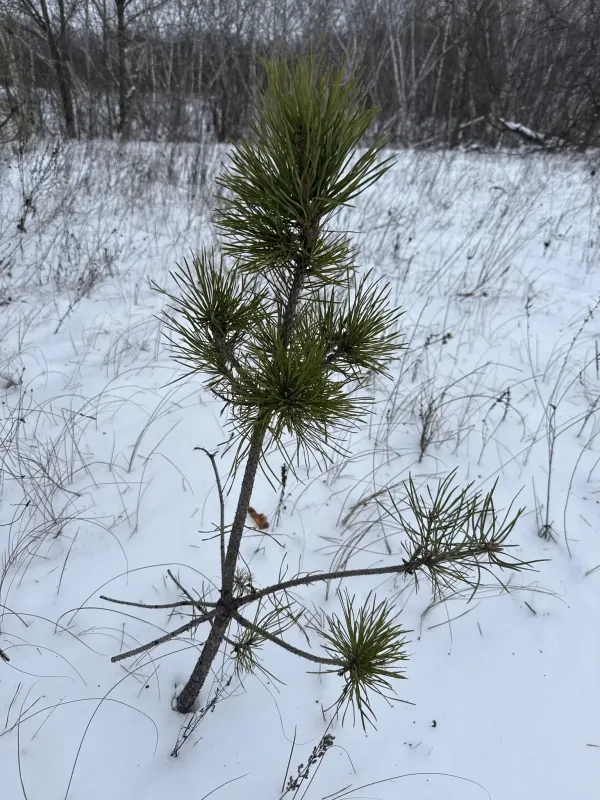
Description
Sowing dates
Scots pine (Pinus sylvestris L.) is typically propagated by seeds in forest nurseries. The sowing process is ideally timed for early spring when soil temperatures stabilize to support germination.
Modern forestry practices emphasize the use of containerized seedlings, which ensure better survival rates when transplanted into forest stands compared to bare-root stock.
Seed depth should be kept shallow, generally about 1.5 to 2 centimeters, using light, well-draining substrates to prevent seed rot and ensure proper oxygen supply to roots.
Before sowing, seeds often undergo stratification, which mimics natural winter conditions to break dormancy and maximize the percentage of successful sprouts.
Sowing density is strictly calculated to avoid competition among seedlings, ensuring that every plant has adequate access to nutrients and light during the critical first year.
Growing requirements
Belonging to the Pinaceae family, Scots pine is renowned for its adaptability. It thrives in diverse conditions, ranging from nutrient-poor sandy soils to peatlands, provided there is adequate drainage.
This species is highly photophilous and requires full sun exposure. It does not tolerate shade, as reduced light levels lead to poor crown development and lower overall tree vigor.
The tree is extremely resilient to cold, withstanding harsh winter temperatures across its massive Eurasian range, as well as surviving in areas with significant seasonal temperature fluctuations.
While tolerant of low fertility, Scots pine benefits from a symbiotic relationship with mycorrhizal fungi, which significantly enhance its ability to absorb water and essential minerals.
Proper airflow is essential for the health of Scots pine, helping to keep foliage dry and reducing the probability of fungal infestations in dense forest plantations.
Yield
Scots pine is a cornerstone of the timber industry, valued for its straight, strong wood. Rotation periods generally span from 60 to over 100 years, depending on the site index.
Beyond lumber production, the species is harvested for resin, essential oils from its needles, and decorative purposes, making it a highly versatile forest product.
Annual growth rates are highly influenced by site quality and management; intensive thinning practices can significantly increase the volume of high-quality sawlogs.
Sustainable forest management ensures that the harvest of Scots pine does not exceed the natural regenerative capacity of the ecosystem, preserving long-term profitability.
Genetically improved seedlings are increasingly used to boost yield, resulting in faster growth rates and better wood density in modern commercial plantations.
Main diseases and pests
Root rot, particularly caused by Heterobasidion annosum, represents one of the most severe biological threats, often spreading through root contact in older plantations.
Insect pests, such as the pine sawfly and various moth species, can cause severe defoliation, which stresses the tree and makes it susceptible to secondary pathogen attacks.
Bark beetles, especially under conditions of drought, have become a major concern as they can kill healthy trees by disrupting the vascular system through intense infestation.
Needle cast and other fungal diseases can be problematic in nurseries where humidity is high, requiring consistent monitoring and preventative fungicide treatments.
Anthropogenic factors, including pollution and soil compaction, can degrade the health of pine stands, leading to decreased growth and increased vulnerability to extreme weather events.
Content graph
Connections · Scots pine
Most often together:
Marketplace