
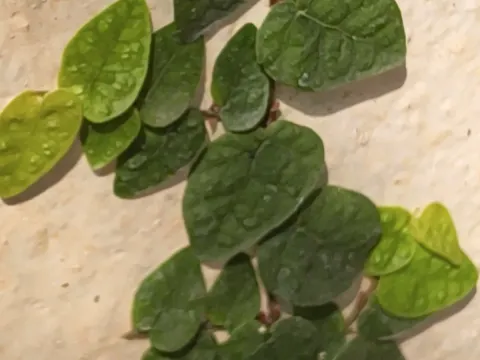
Creeping fig
Ficus pumila L.
The creeping fig (Ficus pumila L.) is a vigorous evergreen climber belonging to the Moraceae family. It is native to East Asia, where it is highly valued for its ability to climb vertical surfaces using adventitious roots that act as suction cups.
What the section contains
Creeping fig
For optimal growth, this plant requires a well-draining, moisture-retentive potting mix rich in organic matter. While it is adaptable to various conditions, it performs best in soils with a slightly acidic to neutral pH balance, ensuring healthy nutrient uptake.
Environmental conditions should mimic its native tropical habitat. It thrives in bright, indirect sunlight, though it is one of the few fig varieties that can tolerate lower light levels. Maintaining a high humidity level is crucial for preventing leaf tips from drying out.
Agricultural techniques for this species include consistent watering without waterlogging the substrate. Pruning is essential to control its rapid growth rate, especially when grown indoors, as the vines can quickly cover walls and furniture if not maintained regularly.
During the growing season, a balanced liquid fertilizer should be applied every few weeks. This supports the production of its characteristic heart-shaped, leathery leaves and helps the plant maintain a vibrant green color throughout the year.
Pest management is a vital part of creeping fig care. The most common pests include spider mites, which thrive in dry air, and scale insects. Frequent misting and wiping the leaves with a damp cloth can significantly reduce the risk of infestation.
Fungal issues, such as root rot and leaf spot, often arise due to poor ventilation or overwatering. To mitigate these risks, ensure that the pot has adequate drainage and that the top layer of soil dries out slightly between watering intervals.