
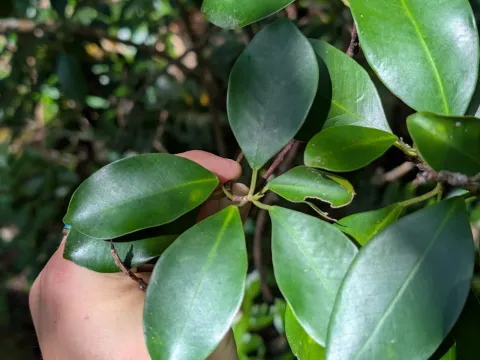
Ficus microcarpa
Ficus microcarpa L. f.
Ficus microcarpa is a member of the Moraceae family, known for its elegant foliage and versatility in ornamental horticulture. This evergreen species is widely recognized for its robust woody structure, which can be manipulated into various forms, including the popular bonsai style.
What the section contains
Ficus microcarpa
Native to tropical and subtropical regions of Asia and Northern Australia, this plant thrives in warm, humid conditions. In agricultural settings, it requires a controlled environment that mimics its natural habitat to maintain vigorous growth throughout the year.
Light intensity is a critical factor in the cultivation of Ficus microcarpa. While it favors bright, filtered sunlight, direct exposure can cause leaf scorch, particularly in specimens adapted to indoor conditions. Conversely, low light leads to significant leaf drop.
The substrate must be highly draining to prevent waterlogging. A standard agricultural soil mixture should include organic matter, perlite, and coarse sand to ensure oxygen reaches the root system, which is vital for the plant's long-term health.
The economic value of this culture lies primarily in the nursery industry, where it is cultivated for interior landscaping. It is highly valued for its air-purifying properties and its aesthetic contribution to both domestic and commercial indoor environments.
Common pests affecting Ficus microcarpa include spider mites, mealybugs, and scale insects. These pests feed on the sap, leading to stunted development, yellowing of the foliage, and in severe cases, the death of individual branches or the entire plant.
Root rot, primarily caused by the fungal pathogen Phytophthora or Pythium, is the most destructive disease associated with poor irrigation management. It is often exacerbated by soil compaction and excessive water retention.
Fungal leaf spot diseases may appear during periods of high humidity and poor ventilation. These infections manifest as irregular dark patches on leaves, which, if left untreated, can lead to widespread defoliation across the entire canopy.
Integrated pest management (IPM) is the recommended approach for maintaining healthy stocks. This involves regular monitoring of the foliage, immediate isolation of infected specimens, and the targeted application of horticultural oils or systemic pesticides.
Maintaining proper cultural practices, such as providing adequate air circulation and avoiding overhead watering, significantly reduces the susceptibility of the plant to both pathogens and pest colonization in nursery operations.