
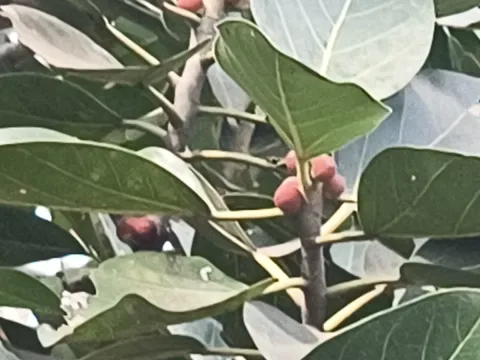
Banyan fig
Ficus benghalensis L.
The Banyan fig (Ficus benghalensis L.) is a significant species within the Moraceae family. It is renowned for its unique growth habit, developing aerial roots that descend from branches to form pillar-like secondary trunks, effectively creating a massive canopy.
What the section contains
Banyan fig
Native to the Indian subcontinent, the species is adapted to tropical climates with distinct wet and dry seasons. It requires bright, indirect light and protection from direct midday sun to prevent leaf scorch in controlled environments.
Soil requirements include a well-draining, nutrient-rich potting mix that retains sufficient moisture without becoming waterlogged. Regular organic fertilization during the active growing season supports its vigorous development and foliage health.
Temperature management is critical; the plant thrives in temperatures between 18 and 30 degrees Celsius. It is highly sensitive to cold drafts and temperatures dropping below 15 degrees, which can induce stress and leaf drop.
Host-plant uses range from massive shade-providing landscape trees in tropical regions to impressive interior specimens for large atriums. Its cultural and ecological significance is extensive, providing habitats for numerous bird and insect species.
Common pests include spider mites, which thrive in low-humidity environments. They cause stippling on the leaves and can lead to severe infestations if not managed through increased humidity or appropriate acaricide applications.
Scale insects and mealybugs are frequent threats that attach to leaf nodes and stems. Manual removal using alcohol-soaked swabs or systemic insecticides is recommended for effective control of these persistent pests.
Root rot, often caused by overwatering or poor drainage, is a leading cause of mortality for container-grown specimens. Ensuring that the substrate dries slightly between waterings is a primary preventative measure.
Fungal diseases like leaf spot may occur if the foliage remains wet for extended periods or if air circulation is inadequate. Pruning to ensure proper canopy airflow is an essential agronomic practice for disease prevention.
Regular inspection of the plant, especially the undersides of leaves, allows for early detection of threats. Maintaining hygiene around the plant base and avoiding debris accumulation helps reduce the risk of infestation and secondary pathogen growth.