
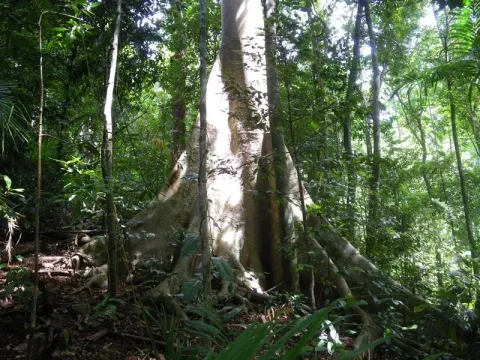
Ficus albipila
Ficus albipila
Ficus albipila is a significant tree species belonging to the Moraceae family. Naturally found in the tropical forests of Southeast Asia and Australia, it is known for its impressive stature and architectural branching patterns within its native habitat.
What the section contains
Ficus albipila
The climate requirements for this species are centered on warm, humid tropical conditions. It thrives best in environments where temperatures remain consistently above 22 degrees Celsius, as it lacks cold tolerance and is sensitive to frost.
Soil quality is paramount for this cultivar. It demands deep, well-draining soil that remains rich in organic matter. Proper aeration is essential to prevent waterlogging, which the root system is highly sensitive to during the initial establishment phase.
Regarding agrotechnical practices, Ficus albipila requires adequate space for root expansion. When grown in plantations, density management is critical to ensure that each tree receives sufficient sunlight and air circulation to thrive.
Water management involves maintaining consistent soil moisture. During dry seasons, irrigation is necessary to support biomass production, especially in younger plants that have not yet developed deep rooting systems.
The primary economic use of Ficus albipila lies in timber production and forest rehabilitation projects. Its wood is valued for its versatility in various woodworking applications, contributing to local forestry economies.
In addition to timber, the species plays a vital role in agroforestry by providing shade and acting as a windbreak. Its dense canopy helps regulate microclimates in agricultural areas, supporting the growth of shade-loving crops.
The tree also contributes significantly to carbon sequestration efforts due to its rapid growth rate and large biomass volume. These traits make it a candidate for environmental restoration programs in tropical landscapes.
Ecosystem services provided by the tree, such as supporting diverse insect populations and stabilizing soil, add significant intangible value to the cultivation of this species in mixed-use agricultural systems.
As the demand for sustainable wood sources grows, the potential for managed cultivation of Ficus albipila continues to be a subject of interest for agricultural researchers focusing on tropical crop optimization.
Pathogenic fungi pose the most significant threat to the health of these trees, particularly in environments with high humidity and poor drainage. Root rot and leaf spot diseases are common issues that require strict monitoring.
Pest pressures primarily come from sap-sucking insects like mealybugs and aphids, which thrive in stagnant air conditions. Infestations can quickly lead to leaf drop and stunted growth if not addressed promptly.
Soil-borne nematodes can cause considerable damage to the root system, leading to decreased nutrient uptake and overall plant decline. Crop rotation or the use of sterile growing mediums for seedlings is highly recommended.
Environmental stress, such as sudden shifts in precipitation patterns, often acts as a precursor to disease. Keeping the trees healthy through proper nutritional management and regular pruning is the best defense against threats.
Xylophagous insects can compromise the structural integrity of the trunks. Periodic bark inspections and the prompt removal of deadwood help maintain the vitality of the population and prevent the spread of invasive pests.