
Ficus brachypoda
Ficus brachypoda (Miq.) Miq.
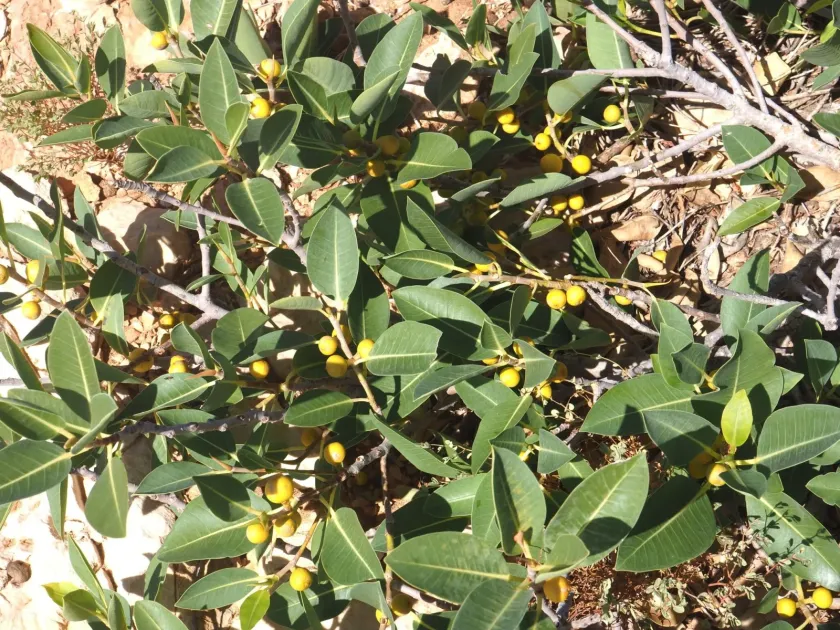
Description
Growing requirements
Ficus brachypoda is a notable species within the Moraceae family. Native to Australia, this plant is naturally adapted to diverse habitats, including rocky cliffs and scrublands, where it functions as a primary component of the local ecosystem.
The cultural requirements for this species are centered on high light exposure. As a heliophilic plant, it thrives under full sun conditions, which are necessary to maintain its structural integrity and prevent the elongation of shoots that occurs in shaded environments.
Soil management for this cultivar involves ensuring excellent drainage. While it exhibits a remarkable tolerance to drought once established, it responds positively to regular irrigation, which supports steady vegetative growth throughout the warmer seasons.
Climatic adaptability is restricted to warm environments. It is highly sensitive to frost, which limits its outdoor cultivation range to tropical and subtropical climate zones, necessitating greenhouse protection in temperate regions during winter months.
The economic and practical use of this plant is primarily ornamental. It is widely employed in landscaping projects, urban forestry, and container gardening due to its robust nature, attractive foliage, and ability to be sculpted through periodic pruning.
Main diseases and pests
Typical pests affecting this species include scale insects and mealybugs. These pests attach to the stems and leaves, extracting vital sap and frequently necessitating the application of horticultural oils or systemic insecticides to control populations.
Spider mites are a persistent threat, particularly in environments with low humidity. Their infestation is characterized by fine webbing and yellowing leaves, which significantly impacts the aesthetic value and physiological health of the tree.
Root rot is a critical risk factor, often exacerbated by over-watering or the use of heavy, non-porous potting media. Maintaining proper drainage and allowing the substrate to partially dry between watering sessions is essential for prevention.
Leaf spot diseases, caused by various fungal pathogens, may emerge when air circulation is poor or humidity levels remain consistently high. Proper spacing and airflow are critical cultural strategies to mitigate these fungal outbreaks.
Integrated pest management remains the most effective strategy for maintaining the health of Ficus brachypoda. This involves regular scouting for signs of stress, immediate removal of affected foliage, and strictly adhering to prescribed water and nutrient schedules.