
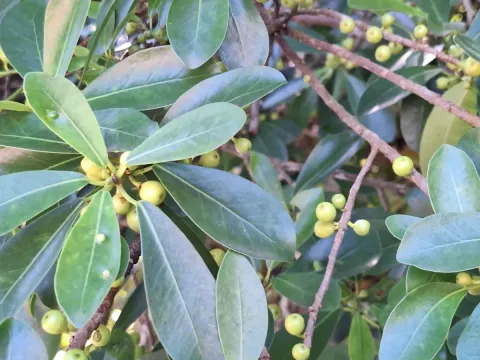
Natal fig
Ficus natalensis Hochst.
The Natal fig (Ficus natalensis) is a prominent member of the Moraceae family. It is an evergreen tree that often exhibits hemiepiphytic characteristics in its early stages of development, eventually growing into a majestic, independent tree with a wide, dense canopy.
What the section contains
Natal fig
Native to the tropical and subtropical regions of Africa, this species thrives in diverse habitats, ranging from moist forests to wooded river valleys. Its natural distribution is widespread, reflecting the plant's high level of environmental adaptability within the tropical belt.
The plant has strict climatic requirements, needing consistent tropical temperatures typically between +20°C and +30°C. It is highly intolerant to frost, which limits its commercial cultivation to frost-free zones where humidity levels are sufficiently high to support rapid vegetative growth.
Soil preferences for Ficus natalensis include well-drained, fertile substrates that are rich in organic matter. While it is adaptable to different soil types, consistent moisture availability is crucial, as the tree relies on stable ground conditions to sustain its large foliage mass.
In agroforestry systems, the Natal fig is often utilized for its ability to provide high-quality shade for secondary crops. Its expansive root system also helps in soil stabilization and erosion prevention, making it a valuable asset for sustainable land management in tropical regions.
The Natal fig is historically and economically significant for the production of barkcloth. This material is derived from the inner bark (bast) of the tree, which is carefully removed without killing the tree, allowing the trunk to regenerate its bark over several years.
The harvesting process requires expert skill to ensure that the cambium layer remains undamaged. Once the bark is stripped, the exposed trunk is often treated with organic protectants or covered to facilitate healthy tissue healing and prevent the entry of wood-boring insects or fungal pathogens.
Beyond barkcloth, the wood of Ficus natalensis is used in local carpentry for the creation of household tools and ornamental items. Regular pruning and maintenance of the tree canopy yield wood that is valued for its durability and specific grain characteristics in local manufacturing.
The leaves of the Natal fig also possess ethnomedicinal properties and are occasionally used in traditional practices. Harvesting of leaves is conducted throughout the year, with a focus on sustainable techniques that maintain the tree's health and ensure continued production for both foliage and bark.
The integration of harvesting practices into a managed farm cycle allows for multiple utility products from a single tree. Proper rotation and maintenance cycles ensure that the tree remains productive for a long lifespan, which is essential for the economic stability of growers utilizing this resource.
Common pests affecting Ficus natalensis include scale insects and mealybugs, which tend to infest the undersides of leaves and young stems. These pests can weaken the plant by extracting essential sap, necessitating integrated pest management strategies, such as biological control agents.
Fungal infections like anthracnose and various leaf spots are prevalent in high-humidity areas, especially if air circulation within the canopy is poor. Maintaining adequate spacing between trees and performing selective pruning are critical cultural practices to reduce disease pressure in plantations.
Root rot caused by stagnant water or poor drainage poses a significant risk to the plant's structural integrity and overall health. Ensuring the planting site has adequate slope or substrate permeability is the most effective preventative measure against these soil-borne pathogens.
Defoliating insects can occasionally cause significant damage to younger trees during peak growing seasons. Monitoring of foliage and the application of environmentally friendly insecticides or neem-based treatments are effective methods to mitigate these threats without disrupting local ecosystems.
Proactive tree management, including the cleaning of harvesting wounds and monitoring for nutrient deficiencies, drastically improves the Natal fig's resilience. A healthy, well-nourished tree is significantly more capable of resisting secondary infections and sustaining its role in the local agro-ecosystem.