
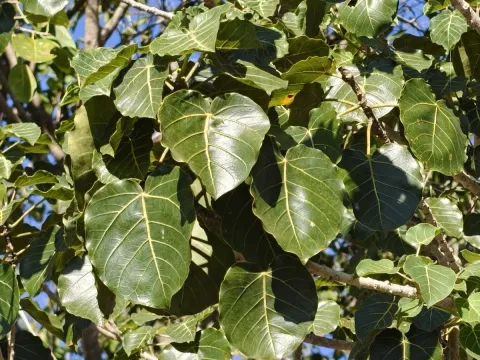
Ficus petiolaris
Ficus petiolaris Kunth
Ficus petiolaris, commonly known as the petiolate fig, is a striking succulent plant species within the Moraceae family. Native to the dry forests and rocky cliffs of Mexico, it has evolved unique morphological traits to survive in arid environments.
What the section contains
Ficus petiolaris
The defining feature of this plant is its caudex, a swollen trunk base that stores water, making the species highly drought-tolerant compared to other members of the Ficus genus. The foliage features beautiful heart-shaped leaves with prominent reddish veins.
For optimal growth, the species requires bright, indirect light. While it is accustomed to full sun in its natural habitat, domestic cultivation necessitates filtering light to protect leaves from excessive heat and potential scorching.
Soil requirements are strictly defined by the need for rapid drainage. An ideal substrate consists of a gritty mix, such as pumice, perlite, and coarse sand combined with a small amount of organic potting compost, which ensures proper aeration for the roots.
Agricultural management must prioritize a wet-dry cycle. During the growing season, watering should be thorough but allowed to dry out completely between sessions to mimic natural environmental fluctuations and prevent physiological stress.
Pest issues commonly involve infestation by spider mites and scale insects. These pests often exploit weakened plants kept in overly dry indoor environments with poor air circulation.
Fungal pathogens such as root rot are the primary threat to the health of the caudex, usually resulting from excessive irrigation or the use of heavy, moisture-retentive soils that suffocate the root system.
Integrated pest management strategies involve periodic inspections of the foliage and stem, along with the application of horticultural oils or systemic insecticides if initial signs of pests are detected.
Maintaining a clean growing area and sterilizing tools used for pruning helps to prevent the spread of bacteria and fungi during propagation or routine maintenance tasks.
Successful cultivation depends on avoiding water accumulation in the crown or the base of the trunk, as these areas are prone to opportunistic infections under high humidity and low temperature conditions.