
Sagittate-leaved Fig
Ficus sagittata Vahl
Description
Growing requirements
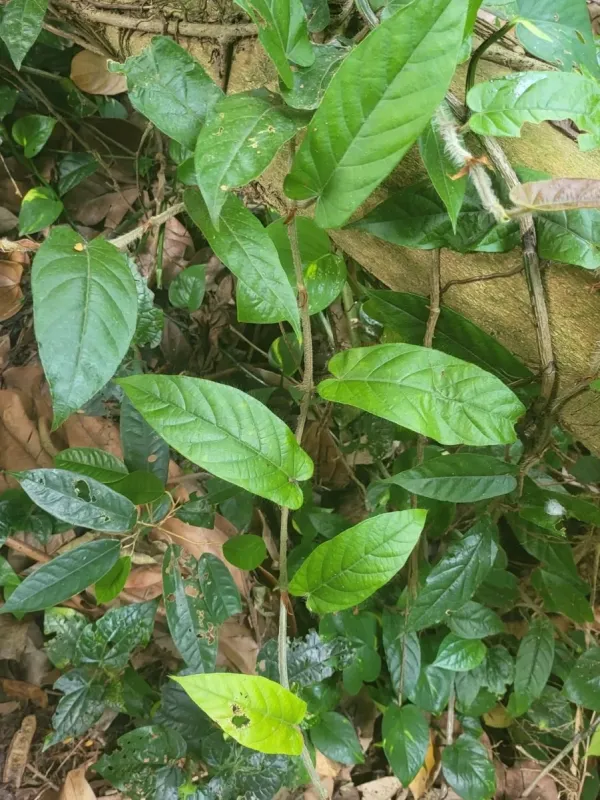
Ficus sagittata Vahl is an evergreen woody climber belonging to the Moraceae family. Naturally distributed across the tropical landscapes of Southeast Asia, this species often thrives in humid forest understories and is recognized for its distinct arrow-shaped foliage.
The culture requires a consistent tropical climate with temperatures between 20°C and 26°C. It is highly sensitive to cold spells and freezing temperatures, which can cause severe physiological stress or total plant death if prolonged exposure occurs.
Optimal growth is achieved in well-draining, nutrient-rich soils with a slightly acidic to neutral pH. A mixture consisting of peat moss, pine bark, and perlite provides the necessary structure to support vigorous root development while preventing waterlogging.
High relative humidity is essential for this species. In cultivation environments, regular misting or the use of automated humidification systems is recommended to maintain a moisture level of at least 60%, reflecting its native habitat.
Indirect but bright lighting is preferred for Ficus sagittata. While it can tolerate low light conditions, its growth rate will significantly diminish, and the leaf morphology may lose its characteristic vividness without adequate photosynthetic energy.
Main diseases and pests
Spider mites are the most prevalent pest, especially in indoor environments where humidity levels are inadequately managed. These pests colonize the underside of leaves, causing chlorosis and eventual necrosis of the foliage.
Scale insects present a persistent threat to the stems and branches. Manual removal is effective for minor infestations, whereas systematic insecticides are required when the insect population reaches economic threshold levels.
Root rot caused by Oomycetes and various fungal species is the leading cause of plant mortality. This is almost exclusively linked to poor drainage practices and overwatering, which creates anaerobic conditions in the root zone.
Mealybugs can infest the plant, hiding in the junctions of petioles and stems. These pests weaken the plant by extracting sap and producing honeydew, which often leads to the growth of secondary sooty mold on the leaf surface.
Inconsistent irrigation cycles can lead to leaf drop, a common stress response. Maintaining a steady schedule and monitoring soil moisture sensors are critical agronomic practices to ensure the long-term health of the crop.