
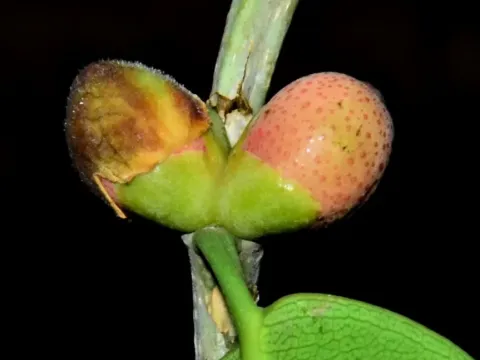
Ficus stricta
Ficus stricta (Miq.) Miq.
Ficus stricta is a notable member of the Moraceae family, known for its robust growth and impressive foliage. As a tropical species, it thrives in warm, humid environments, often serving as a structural element in botanical gardens and large-scale interior landscaping.
What the section contains
Ficus stricta
Native to the regions of Southeast Asia and Australia, this tree has evolved in environments characterized by high precipitation and consistent year-round temperatures. It is well-adapted to competitive forest understories, demonstrating high vegetative vigor.
The climate requirements for Ficus stricta focus on avoiding frost and extreme thermal fluctuations. Optimal growth is observed when temperatures remain between 22 and 28 degrees Celsius, accompanied by high atmospheric humidity levels, which simulate its natural rainforest habitat.
Soil management for this culture requires a high-quality, well-draining substrate rich in organic matter. Proper drainage is the most critical factor in soil preparation, as waterlogging is a primary cause of physiological stress and root system decline in Ficus species.
Agricultural techniques involve a scheduled fertilization program tailored to the plant's growth cycles. Pruning is essential for maintaining the shape of the crown and ensuring adequate light penetration to the inner branches, which supports the overall health and density of the canopy.
Common pests affecting Ficus stricta include spider mites and scale insects, which can quickly colonize the undersides of leaves. Integrated pest management strategies, such as biological control and periodic cleaning, are recommended to maintain plant vitality.
Fungal diseases like leaf spot and anthracnose pose a significant threat during periods of high humidity and poor ventilation. Keeping the canopy dry and ensuring proper air movement are primary defense strategies against these airborne pathogens.
Root rot, primarily caused by Pythium or Phytophthora species, occurs when soil aeration is compromised due to overwatering. Proper irrigation management is vital to preventing the onset and spread of these destructive soil-borne infections.
Chemical control involving fungicides and systemic insecticides should be utilized as a secondary measure when cultural methods are insufficient. Always adhere to local regulations and application guidelines to ensure environmental safety.
Regular sanitation, including the removal of dead or decaying organic matter from the base of the tree, significantly reduces the inoculum potential of various pathogens. Monitoring plant development remains the most effective tool for early detection of issues.