
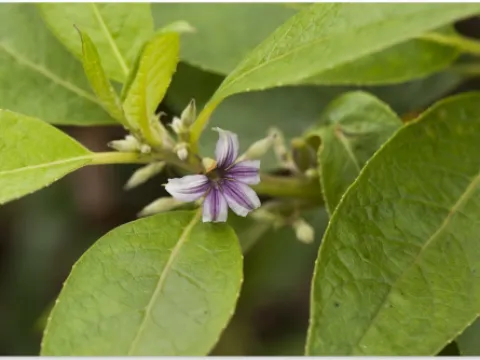
Lasjia
Lasjia
Planting Lasjia requires careful site preparation as the species is highly sensitive to cold and environmental stress during the initial establishment phase.
What the section contains


Lasjia
Optimal sowing occurs during the spring season when soil temperatures remain stable between 15 and 18 degrees Celsius, ensuring rapid germination.
For industrial orchards, seeds or seedlings should be spaced widely to allow for the future development of the canopy, typically requiring several meters between rows.
If utilizing seeds, pre-sowing stratification is often recommended to improve the uniformity of sprout emergence across the entire planting area.
Adequate soil moisture is critical immediately after planting, but it must be managed carefully to prevent waterlogging, which can cause seed decay.
Lasjia belongs to the Proteaceae family and thrives in well-drained, slightly acidic loam soils that are rich in organic matter and low in active phosphorus.
The plant requires full sun exposure and protection from strong, prevailing winds that can cause physical damage to delicate shoots and leaves.
Temperature management is crucial; the plant prefers a stable environment between 20 and 28 degrees Celsius and does not tolerate extreme frost or heatwaves.
Air humidity plays a vital role in the plant's development, as dry conditions can lead to flower abortion and the premature dropping of fruitlets.
Fertilization regimes should be carefully balanced to avoid excessive calcium levels, which can negatively impact the plant’s nutrient uptake efficiency.
The transition from planting to commercial production for Lasjia is typically slow, requiring long-term management and patience from the grower.
Annual yield is heavily influenced by the age of the tree, the genetic quality of the variety, and the effectiveness of cross-pollination strategies.
High-density orchard designs can improve early-stage yields, though they require more intensive pruning to maintain airflow and light penetration.
Productivity peaks as the tree matures, provided that nutrient levels and hydration are maintained at optimal levels throughout the growing season.
Regular maintenance pruning is essential to remove unproductive wood and encourage the development of new, healthy fruit-bearing branches.
The primary threats to Lasjia include root rot pathogens, which thrive in poorly drained soils or areas with excessive moisture accumulation.
Pests such as aphids, mites, and various wood-boring insects can cause significant damage if populations are not managed through regular scouting.
Fungal diseases affecting the leaves or branches are often managed by ensuring proper orchard hygiene and pruning to increase air circulation.
Integrated Pest Management (IPM) practices are highly recommended to control populations of harmful insects while preserving beneficial pollinators.
Stress-induced vulnerabilities are common in poorly managed orchards, making it crucial to provide balanced water and nutrition to maintain strong defenses.
Harvesting Lasjia is a precise task, usually initiated when the fruit casing shows visible signs of maturity, such as natural cracking or drying.
Manual harvesting is the preferred method for high-quality produce, ensuring that the nuts remain intact and free from mechanical bruising.
Immediately post-harvest, the nuts must be husked and dried in a climate-controlled environment to prevent mold growth and maintain quality.
Proper curing of the nuts is necessary to ensure long shelf life and to lock in the flavors and oils that give the crop its economic value.
Storage should be conducted in cool, dry conditions with adequate protection against rodents and pests to prevent contamination of the harvested product.