
Lasjia erecta
Lasjia erecta
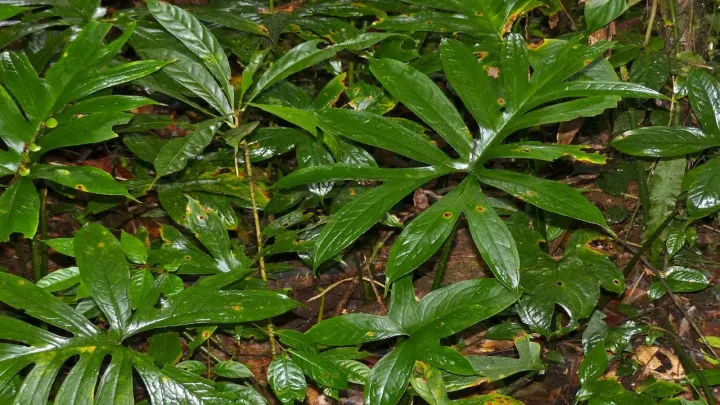
Description
Sowing dates
Lasjia erecta, a member of the Proteaceae family, is a significant species often associated with the macadamia nut complex. Understanding its biological nature is the first step toward successful plantation establishment and long-term agricultural management.
Propagation typically involves either high-quality seed germination or grafting selected cultivars onto vigorous rootstocks. Seeds require precise temperature control, usually between 20 and 25 degrees Celsius, to ensure optimal germination rates and healthy seedling development.
When establishing an orchard, spatial arrangement is vital to accommodate the tree's growth potential. Proper spacing ensures adequate airflow and light penetration, which are critical for preventing disease and maximizing the photosynthetic efficiency of the canopy.
The ideal planting time coincides with the period following the main rainy season, allowing the root system to settle into the soil before the onset of extreme heat. Soil preparation must be thorough to provide a fertile environment for the young trees.
Mulching the base of the saplings is a recommended practice to retain soil moisture and prevent weed competition, which is particularly aggressive in the early stages of the crop’s development.
Growing requirements
This crop thrives in tropical and subtropical climates where temperatures remain consistently between 15 and 30 degrees Celsius. It is highly sensitive to frost, which can cause severe damage or death to the young canopy.
Soil texture should be sandy or loamy with excellent drainage. Lasjia erecta is intolerant of waterlogged conditions, which facilitate root rot pathogens. Therefore, site selection often involves elevated or sloped land to ensure excess water runs off effectively.
A slightly acidic soil pH is necessary for the proper uptake of essential nutrients. Regular testing of the soil profile is recommended to make necessary adjustments to fertility, ensuring the tree remains vigorous and disease-resistant.
The tree requires protection from strong, persistent winds. In regions prone to storms, the integration of windbreaks into the orchard design is essential to prevent structural damage to the brittle branches and to protect the developing fruit load.
Water management is crucial. While the tree requires consistent moisture, irrigation systems must be calibrated to provide precise amounts of water, preventing both dehydration during dry spells and saturation during the monsoon season.
Yield
The yield potential of Lasjia erecta is largely dependent on proper orchard management and the age of the trees. Typically, commercial bearing begins between 5 and 7 years after the initial planting of the orchard.
Peak production cycles are reached when trees are between 10 and 12 years old. At this stage of maturity, the trees can sustain a high level of productivity if nutritional requirements are consistently met through balanced fertilization programs.
Sunlight exposure is the primary limiting factor for yield. Trees grown in deep shade or those with overly dense canopies show significantly reduced fruit sets, emphasizing the need for regular pruning to maintain open, productive branches.
Pruning also serves to manage the tree size and encourage the development of reproductive buds. A well-pruned tree is easier to harvest and produces more uniform fruit, which increases the commercial value of the final product.
The fruit of this species is highly valued for its oil content, finding applications in the food industry for high-quality nut consumption and in the cosmetic industry for high-end skincare products.
Main diseases and pests
The primary threats to Lasjia erecta include various fungal diseases, such as leaf spot and anthracnose, which are particularly prevalent in areas with high humidity or poor ventilation within the orchard canopy.
Insect pests, including thrips and scale insects, frequently target the succulent new growth of the trees. These pests can significantly stunt the growth of young trees and reduce the overall health of mature orchards if left unchecked.
Soil-borne nematodes represent a hidden threat to the root system. Effective management includes the use of certified pathogen-free planting materials and the implementation of cover crops that discourage the buildup of nematode populations.
Bird and rodent control during the fruiting season is necessary to prevent significant post-harvest losses. Various acoustic and physical deterrents are employed by growers to mitigate these risks effectively and safely.
Integrated Pest Management (IPM) practices are encouraged, focusing on the use of biological controls and the strict removal of diseased branches. Sanitation tools must be disinfected frequently to avoid the transmission of pathogens between healthy trees.
Harvesting
The harvest strategy for Lasjia erecta centers on collecting fruit as it naturally drops. Regular inspections of the orchard floor are necessary to gather nuts before they are affected by soil moisture or animal predators.
Determining peak maturity is vital for quality control. Mature fruit shows characteristic changes in the outer husk, indicating that the inner kernel has developed the required oil concentration for market quality.
Immediately after collection, the outer husk must be removed. This mechanical process prevents the transfer of tannins and moisture into the kernel, which could otherwise lead to spoilage or the development of off-flavors.
Post-harvest drying is an essential step to ensure the long-term stability of the kernels. The moisture content must be reduced significantly to prevent mold growth and maintain the integrity of the oil stored within the nut.
Storage facilities should be cool, dry, and well-ventilated to preserve the quality of the harvest. Properly stored nuts can maintain their commercial viability for extended periods, allowing growers to meet market demands effectively.