
Lasjia whelanii
Lasjia whelanii
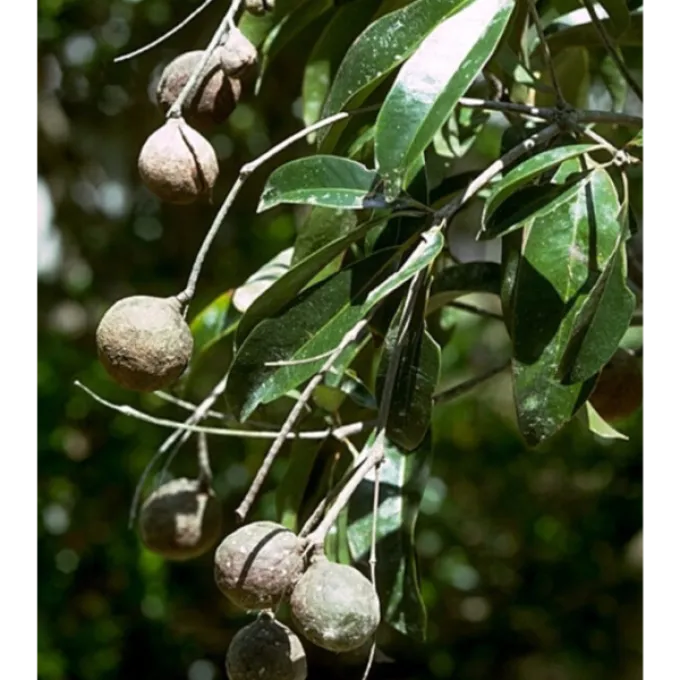
Description
Growing requirements
Lasjia whelanii, often classified within the Macadamia genus in the Proteaceae family, is a distinct species native to the tropical rainforests of Queensland, Australia. It is highly valued for its edible nuts.
The plant thrives in humid tropical and subtropical environments. It requires stable temperatures and is highly susceptible to frost, which limits its commercial cultivation to specific climate zones.
Cultivation requires deep, well-drained soils with a slightly acidic pH. The root system of this species is sensitive to waterlogging, necessitating excellent drainage systems in orchard planning.
Wind protection is essential for young and mature trees alike, as the branches can be relatively brittle. Protective windbreaks are standard practice in successful orchard management.
Adequate moisture is required throughout the growing season. While the species is adapted to high rainfall areas, supplemental irrigation is typically necessary to ensure consistent fruit set and nut development.
Main diseases and pests
The crop is vulnerable to various pests, including nut borers and leaf-rollers, which can significantly damage fruit quality and overall canopy health if left uncontrolled.
Root diseases, particularly those caused by soil-borne pathogens like Phytophthora, are a primary concern for growers. Management relies heavily on preventive soil health practices.
Fungal infections on the developing nuts can occur in high-humidity conditions, necessitating good orchard hygiene and adequate spacing between trees to promote air circulation.
Integrated pest management strategies are crucial for maintaining orchard productivity. This includes the use of natural predators and selective treatment protocols to protect the harvest.
- Regular orchard canopy thinning
- Soil moisture management and drainage maintenance
- Monitoring for nut-feeding insects
- Application of sustainable disease control measures