
Rodricidium
Rodricidium
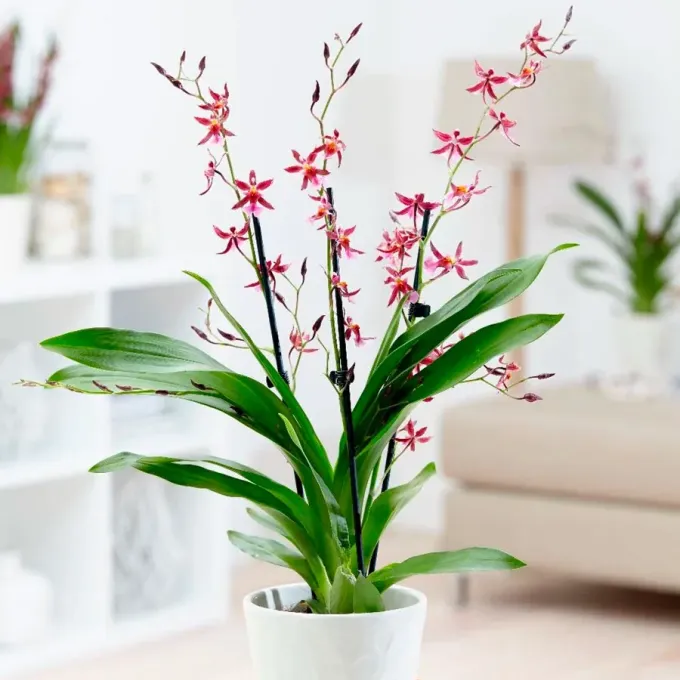
Description
Sowing dates
Sowing this crop requires strict adherence to temperature regimes, as seeds exhibit maximum germination rates when soil temperatures are between 18-20 degrees Celsius.
The optimal period for plantation establishment is mid-spring, avoiding the risk of night frosts that could be fatal to young seedlings.
Seeds should be sown at a depth of no more than 2-3 centimeters, maintaining spacing between rows to ensure proper aeration of the root system.
Pre-sowing treatment of seeds is a critical stage, contributing to enhanced immunity of the future plants against soil-borne pathogens.
When using transplanting methods, planting in the field should occur at the stage of the second pair of true leaves to ensure higher survival rates.
Growing requirements
Rodricidium prefers well-drained loamy soils with a neutral pH, which ensures optimal absorption of essential nutrients for healthy development.
For standard crop development, ensuring access to direct sunlight is crucial, so site selection should prioritize southern orientations.
The plant requires regular but moderate watering, as excessive moisture can lead to the development of rot in the root zone.
During the active vegetation period, the crop responds well to the application of complex mineral fertilizers containing a balanced NPK composition.
Wind protection for the plot is a necessary condition to maintain the integrity of the vegetative mass throughout the entire growth cycle.
Yield
The productivity potential of Rodricidium directly depends on adherence to agronomic practices and the fertility of the soil substrate used.
With intensive cultivation technologies, average yield indicators reach optimal levels that ensure the economic viability of production.
Biomass accumulation occurs unevenly, peaking by the flowering phase, a factor that must be considered when planning nutrient supplementation.
Stable irrigation during dry periods significantly improves product quality and increases total crop mass per unit area.
Modern breeding methods allow for achieving high results, shortening maturation time without compromising the nutritional properties of the crop.
Main diseases and pests
The primary threats to this crop include fungal diseases that flourish in conditions of high humidity and overcrowded planting patterns.
Root rot is the most common issue, requiring immediate application of systemic fungicides to save the crop.
Pests such as spider mites or aphids can cause significant damage to foliage, thereby reducing the plant's photosynthetic capacity.
To prevent the spread of infections, it is recommended to conduct prophylactic spraying with biological agents during early growth phases.
Systematic monitoring of the crops allows for early detection of infestation hotbeds, minimizing the reliance on chemical protection agents.
Harvesting
Harvesting operations begin when the plant reaches technical maturity, at which point the key organs have accumulated necessary valuable substances.
The harvesting process should be conducted during morning hours after dew has evaporated to prevent mold development during storage.
Careful handling of vegetative parts is essential, as mechanical damage significantly reduces the marketability and shelf life of the product.
Post-harvest, the crop requires immediate primary processing and relocation to cool, well-ventilated facilities for proper curing.
Storage of the produce is carried out in specialized crates, which prevent compaction and maintain favorable conditions for long-term quality preservation.