
Lasjia hildebrandii
Lasjia hildebrandii
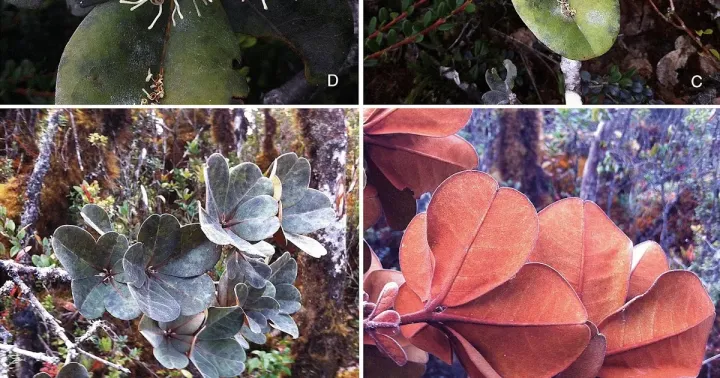
Description
Growing requirements
Lasjia hildebrandii is a distinct species belonging to the Proteaceae family, native to tropical environments. As an evergreen tree, it thrives in warm, humid climates and is highly intolerant to cold temperatures, making it suitable only for specific tropical regions with frost-free conditions throughout the year.
The plant requires well-drained, acidic to neutral soils. In its natural habitat, it develops in deep, rich forest soils. Agronomists must ensure excellent soil aeration, as the root system is highly sensitive to waterlogging, which can rapidly lead to fungal infections and tree decline.
Climate requirements include high atmospheric humidity and protection from extreme wind. Strong winds can damage the branches and desiccate the leaves, leading to reduced photosynthetic efficiency. Proper site selection must prioritize areas with natural or artificial windbreaks.
Cultural practices involve maintaining a clean and moist soil surface. Mulching is highly recommended to regulate soil temperature and retain moisture. However, the mulch should not come into direct contact with the trunk to prevent decay and promote healthy bark development.
Nutrient management is specialized due to the family's unique root architecture. Fertilizers must be low in phosphorus, as proteoid roots are adapted to low-nutrient soils and can be easily damaged by excessive synthetic inputs that would typically benefit other orchard crops.
Yield
Yield potential in Lasjia hildebrandii is heavily influenced by the age of the stand and the success of pollination. Since the flowers are typically arranged in long racemes, the presence of bees and other pollinators is essential for achieving a high fruit set and consistent orchard productivity.
The maturation process is slow, and trees typically reach commercial fruit-bearing age after several years of careful maintenance. Growers should be prepared for a long development period before the plantation becomes economically viable for nut production.
The primary economic use of the crop is the harvest of its kernels, which are prized for their high oil content and nutritional value. The oil is extensively utilized in both the culinary sector and high-end cosmetic formulations, driving a steady demand for the raw material.
Pruning is essential for maximizing yield. Regular canopy management helps to distribute light evenly, which is crucial for the development of productive branches. Properly pruned trees show better air circulation, which reduces the incidence of moisture-related fungal diseases.
Harvest management involves monitoring fruit maturity. In many commercial setups, the nuts are allowed to drop naturally and are subsequently collected from the ground. Maintaining a clear, weed-free surface under the trees is crucial for efficient and timely harvesting operations.