
Lomatia ferruginea
Lomatia ferruginea
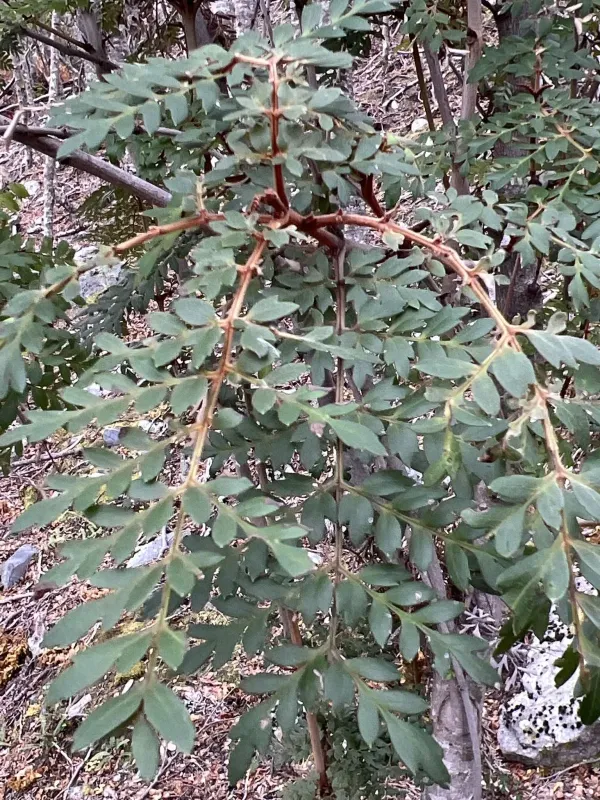
Description
Growing requirements
Lomatia ferruginea, commonly known as rusty lomatia, is a distinctive evergreen shrub or tree belonging to the Proteaceae family. It is native to the temperate rainforests of Chile and Argentina, where it thrives in moist and cool environments.
The botanical structure of the plant is noted for its fern-like, feathery foliage. A key aesthetic feature is the dense, rusty-brown indumentum (hairs) that covers the young stems and petioles, giving the plant its common name and decorative appeal.
For successful cultivation, this species requires well-drained, acidic soil. It is highly intolerant of waterlogged conditions, which can quickly lead to root rot. Using a high-quality, free-draining potting mix or sandy-loam soil in garden beds is essential for plant health.
The climate requirements include high atmospheric humidity and cool temperatures. Lomatia ferruginea does not perform well in hot, dry summers. It prefers a sheltered position with dappled shade, protected from strong, drying winds that can dehydrate the foliage.
Regarding cold hardiness, the plant is moderately frost-tolerant. However, in regions prone to severe winter temperatures, it should be protected or kept in a sheltered courtyard or greenhouse setting to prevent tissue damage to the tender growing tips.
Main diseases and pests
The primary threats to Lomatia ferruginea involve environmental stress rather than pests. Soil-borne pathogens, such as Phytophthora, are the greatest danger, particularly in poorly drained environments where the root system remains constantly saturated.
In sheltered or indoor cultivation, pests like scale insects and spider mites may occasionally appear. Monitoring the undersides of the leaves is critical, as these areas provide a harbor for these common greenhouse pests.
Disease management is largely preventative. Ensuring excellent airflow and avoiding overhead irrigation can significantly reduce the incidence of fungal infections that thrive on wet foliage in stagnant air.
Nutrient toxicity, particularly from high levels of phosphorus, is a common issue for Proteaceae members. It is vital to use fertilizers specifically formulated for native or acid-loving plants to prevent nutrient-induced decline.
- Regular monitoring of root health.
- Avoidance of heavy, clay-based substrates.
- Application of specialized low-phosphorus feeds.
- Controlled humidity for container-grown specimens.
- Pruning of damaged or diseased woody tissue.