
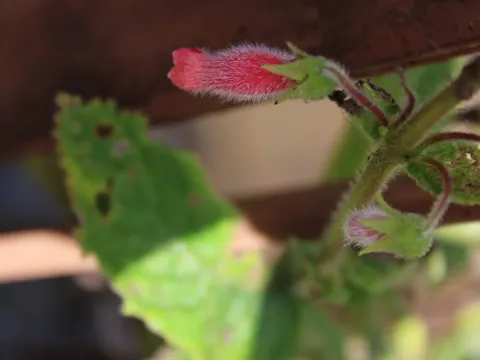
Sinningia
Sinningia
Propagation of Sinningia is achieved through seeds or vegetative methods, such as leaf cuttings or tuber division. Sowing seeds requires a sterile, peat-based medium to ensure high germination rates and prevent early fungal outbreaks.
What the section contains


Sinningia
The seeds are minute and should be sown on the surface of the growing medium without being covered by soil. High humidity levels must be strictly maintained under a clear cover until the seedlings develop their first true leaves.
Vegetative propagation ensures the retention of specific cultivars' traits. Cuttings should be taken during the active growth phase in late spring, ensuring the base is placed in a well-draining, moist substrate.
Temperature control during the germination phase is critical, with an ideal range of 22 to 25 degrees Celsius. Supplemental artificial lighting is often necessary for seedlings to prevent them from becoming leggy and weak.
Once seedlings reach a manageable size, they are transplanted into individual pots. Professional nursery care requires a balanced fertilization program starting shortly after the first repotting to support tuber development.
Sinningia, a member of the Gesneriaceae family, is a tuberous perennial native to the tropical forests of South America. It is prized in horticulture for its vibrant, trumpet-shaped flowers and velvety foliage.
The plant requires bright, filtered light to thrive. Intense, direct sunlight should be avoided as it can scorch the sensitive leaves, while insufficient light leads to poor flowering and weak plant structure.
A well-draining, acidic soil mix is essential for the health of the tuber. Adding perlite or coarse sand to high-quality peat moss prevents the medium from becoming overly compacted and ensures oxygen availability to the roots.
Optimal growth occurs at temperatures between 20 and 26 degrees Celsius. Sinningia is sensitive to cold drafts and sudden drops in temperature, which can trigger a premature dormancy period, stalling growth.
Irrigation management is crucial; the soil should remain consistently moist but never waterlogged. Watering from the bottom or at the soil surface is recommended to keep foliage dry, reducing the risk of crown rot.
Phytophthora root rot is a major threat, often resulting from overwatering or poorly drained soil. It leads to the rapid decay of the tuber and sudden collapse of the plant; preventive measures include fungicide application.
Botrytis, or gray mold, often affects plants in high-humidity, low-ventilation environments. The disease manifests as a fuzzy gray growth, requiring the immediate removal of damaged tissue and increased air circulation.
Thrips are common pests that target developing buds and new leaves. Their feeding activities cause disfigurement and failure of flowers to open properly, necessitating early detection and systemic insecticide usage.
Mealybugs can be problematic, often hiding in leaf axils. These pests suck the sap, leading to weakened plants; they should be managed with systemic insecticides or manual removal using isopropyl alcohol.
Spider mites thrive in dry conditions and can quickly compromise plant health. Regular monitoring of the underside of leaves and maintaining appropriate humidity levels are standard agronomic practices to prevent infestations.