
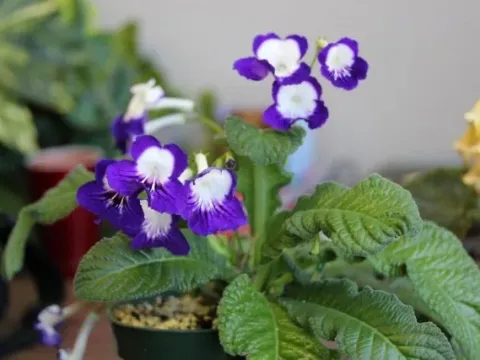
Streptocarpus
Streptocarpus
Streptocarpus is a genus of herbaceous perennial plants belonging to the Gesneriaceae family. Native to tropical and subtropical regions of Africa and Madagascar, these plants thrive in humid forest environments and rocky outcrops.
What the section contains


Streptocarpus
Botanically, these plants are known for their distinctively textured, often crinkled leaves that grow from a central basal rosette. They produce elegant, trumpet-shaped flowers on elongated stalks that rise above the foliage.
The plant requires bright, indirect light for optimal growth. Exposure to direct midday sun should be avoided as it can cause significant foliage damage, while low light levels inhibit flower production.
A well-draining, lightweight potting mix is essential for success. Growers often use peat-based substrates mixed with perlite or vermiculite to ensure excellent aeration and prevent moisture stagnation.
Temperature management is critical for Streptocarpus. They perform best in moderate temperatures between 20°C and 25°C, avoiding extreme heat or sudden cold spells, which can cause the plant to enter dormancy.
Root rot is the most serious threat, usually caused by overwatering or poor drainage. Once the roots are compromised, the plant often collapses rapidly, making early detection and prevention vital.
Thrips are a major concern as they feed on the pollen and leaf tissues, leading to unsightly scars and stunted growth. These insects can be persistent and require systematic control measures.
Spider mites thrive in dry conditions and can cause significant damage to leaves. If left untreated, they produce fine webbing and cause the foliage to lose its healthy green luster.
Powdery mildew is a common fungal issue that manifests as a white, dusty layer on the leaves. It typically arises when the humidity is high but the airflow around the plant is insufficient.
Regular maintenance, including removing dead leaves and ensuring adequate ventilation, is the most effective way to prevent the buildup of pests and the spread of pathogenic fungal spores.