
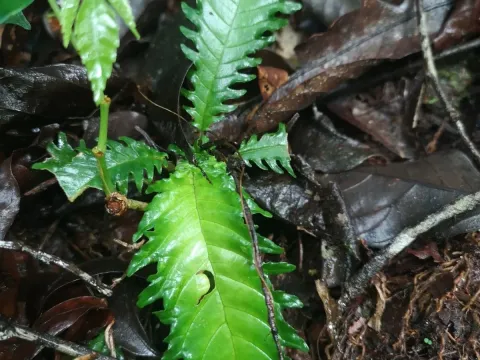
Ridleyandra
Ridleyandra
Ridleyandra is a genus of perennial herbaceous plants belonging to the Gesneriaceae family. These plants are native to the tropical forests of Southeast Asia, specifically Malaysia, where they thrive in specialized microclimates under the canopy of dense rainforests.
What the section contains

Ridleyandra
In their natural habitat, Ridleyandra species are frequently found growing on limestone outcrops, which dictates the specific mineral and moisture needs of the plant. They are recognized by their distinct rosette-forming foliage and long-lasting tubular flowers, which are characteristic of the Gesneriaceae family.
Cultivation of Ridleyandra requires a loose, well-draining potting medium that provides high aeration while retaining sufficient moisture. A mixture comprising coconut coir, peat moss, and perlite is generally considered optimal to simulate the organic, airy soil of their natural environment.
Environmental requirements for this culture include stable, moderate temperatures, typically between 20°C and 25°C. Ridleyandra is highly sensitive to extreme heat and cold, meaning that maintaining a consistent indoor climate is essential to avoid physiological stress and promote healthy development.
Humidity is the most critical factor for success; these plants require humidity levels ranging from 70% to 85%. Because they originate from humid, shady environments, they are best suited for terrarium culture or closed display cases, which protect them from the drying effects of central heating systems.
The primary threats to Ridleyandra are fungal pathogens, specifically those causing root rot, which occur when plants are exposed to stagnant moisture or poor ventilation. Implementing a proper watering strategy and ensuring adequate airflow are the best preventative measures for maintaining long-term plant health.
Pests, such as mealybugs and spider mites, can also cause significant damage if left unchecked, particularly in indoor collections. Integrated pest management, involving regular inspection and the use of targeted treatments, is necessary to protect the plant's delicate foliage from infestations.