
Sinningia hybrids
Sinningia hybrids
Description
Sowing dates
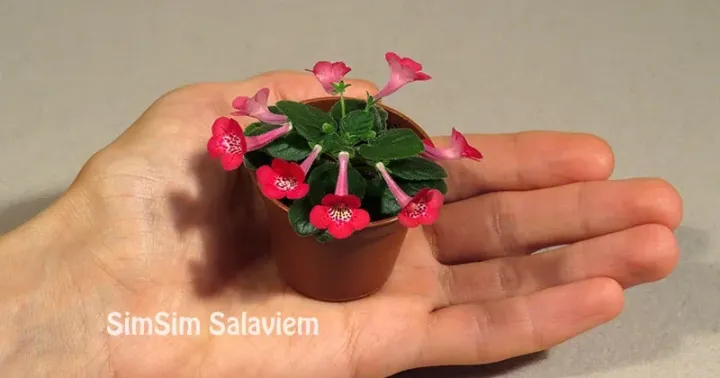
Sinningia hybrids, commonly known as Gloxinias, belong to the Gesneriaceae family. This tuberous perennial is primarily grown for its large, bell-shaped flowers and velvety foliage, and in commercial horticulture, it is propagated by seeds to ensure high-quality, uniform flower production.
The seeds are exceptionally small and require surface sowing on a moist, peat-based substrate. Maintaining a consistent temperature between 22 and 24 degrees Celsius and high humidity is essential for successful germination, typically achieved under a plastic cover or glass lid.
Seedlings should be transplanted into individual pots after developing their first set of true leaves. Providing supplemental lighting is crucial during the early stages of development to ensure sturdy growth and prevent the seedlings from becoming spindly or weak.
Vegetative propagation via leaf cuttings or tuber division is also practiced to maintain specific hybrid characteristics. This method allows growers to replicate high-performing varieties accurately, as seed propagation may lead to variations in flower color or morphology.
Tubers are planted during the early spring as the plants emerge from dormancy. They should be positioned near the surface of the soil with the crown slightly exposed to prevent rot while allowing the roots to establish quickly in the growing medium.
Growing requirements
Sinningia hybrids thrive in bright, indirect light. Direct sunlight can cause severe scorching of the leaves, while insufficient light will lead to thin, elongated growth and a lack of flowering. East or west-facing windows with filtered light are optimal for these plants.
The growing medium must be well-drained and slightly acidic, with a pH ranging from 5.5 to 6.5. A mixture consisting of peat moss, perlite, and a small amount of vermiculite provides the necessary aeration and moisture retention required for a healthy root system.
Temperature control is vital for successful cultivation, with an ideal range of 20 to 25 degrees Celsius during the active growing season. The plants are sensitive to cold drafts and rapid temperature fluctuations, which can trigger early senescence or leaf drop.
Watering requires precision to avoid wetting the foliage, as moisture on the leaves can lead to fungal issues. Bottom watering is highly recommended, allowing the plant to absorb moisture from the tray, ensuring the crown of the tuber remains dry at all times.
Humidity management is important, especially in indoor environments where air can become dry. While the plant appreciates moisture, direct misting of the leaves should be avoided; instead, use humidity trays or ultrasonic humidifiers to maintain the required ambient conditions.
Main diseases and pests
Botrytis or gray mold is the most common disease associated with Sinningia hybrids, typically triggered by high humidity and poor air circulation. It manifests as fuzzy, gray patches on the flowers and leaves, necessitating the removal of infected parts and fungicide application.
Root rot, caused by overwatering or poorly draining soil, is a frequent cause of tuber death. The first signs are usually wilting despite moist soil, which warrants inspection of the tuber and immediate repotting into fresh, dry substrate if decay is present.
Pests such as thrips and spider mites are frequent invaders of these plants, particularly in greenhouses. These pests cause damage by feeding on cell sap, leading to distorted foliage, speckled leaves, and an overall decline in the plant's health.
Effective pest control involves a combination of cultural practices and chemical interventions. Regular inspection of the underside of leaves is necessary to catch infestations early, followed by the use of targeted insecticides or acaricides if required.
Sanitation practices, such as sterilizing containers and using high-quality, pest-free soil, are the foundation of successful disease prevention. Maintaining optimal growing conditions naturally strengthens the plant, making it more resilient to potential environmental stressors.