
Rhabdothamnus
Rhabdothamnus
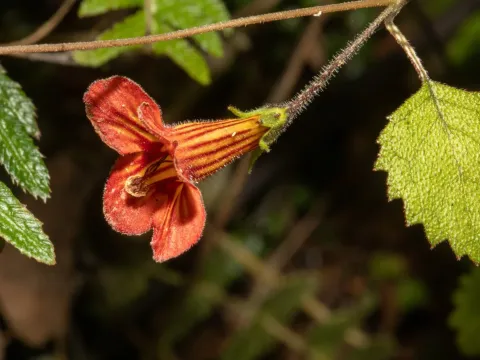
Rhabdothamnus (Rhabdothamnus solandri) is a unique, monotypic genus of shrub native to New Zealand, belonging to the Gesneriaceae family. Unlike its relatives, which are primarily tropical, this species has evolved in a temperate oceanic climate.
What the section contains

Rhabdothamnus
Botanically, it is an evergreen shrub with slender branches and finely toothed leaves. Its distinct, bell-shaped flowers are often visited by native birds, which play a crucial role in its pollination process in the wild.
Cultivation requirements involve providing a well-draining, nutrient-rich soil medium. It thrives in soils that mimic the forest floor composition, typically a blend of peat, perlite, and decomposed leaf mold to ensure adequate aeration for the root system.
Regarding climate, Rhabdothamnus demands moderate temperatures and avoids direct, intense sunlight. In cultivation, it performs best in greenhouses or controlled indoor environments where high humidity levels are maintained consistently throughout the year.
Agrotechnical practices include consistent irrigation that avoids waterlogging the root zone. During the active growth phase, a balanced, dilute liquid fertilizer should be applied to support floral development and overall vegetative health.
The primary threats to Rhabdothamnus health are soil-borne pathogens, particularly root rot, which typically occurs under conditions of poor drainage and excessive moisture. Strict adherence to watering intervals is vital for long-term survival.
Pests that frequently impact this culture include spider mites and mealybugs, especially in low-ventilation indoor settings. Integrated pest management, including regular inspection and biological control methods, is recommended for effective suppression.
Physiological damage can occur due to fluctuations in ambient temperature and low humidity levels. Such environmental stress weakens the plant's resistance, making it prone to opportunistic bacterial infections that may affect the foliage.
Improper substrate management leading to salt accumulation in the soil is another significant danger. Periodic flushing of the growing medium is necessary to prevent chemical imbalances that could cause leaf necrosis or chlorosis.
To ensure healthy growth, gardeners must avoid overcrowding the plants. Adequate spacing ensures proper air circulation, which significantly reduces the risk of fungal outbreaks such as powdery mildew or grey mold.