
Streptocarpus
Streptocarpus Lindl.
Streptocarpus Lindl. is a notable genus within the Gesneriaceae family. Originating from the misty forests and rocky slopes of Southern and Eastern Africa, these plants have evolved to thrive in environments with filtered light and high humidity, making them excellent indoor subjects.
What the section contains


Streptocarpus
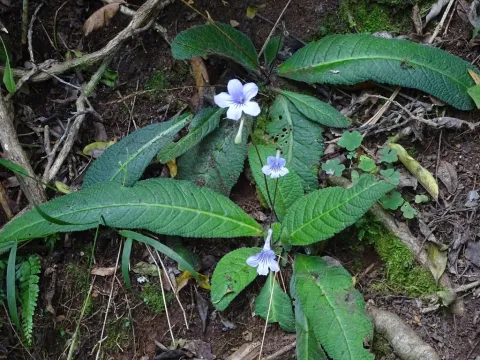
The botanical structure of the plant is defined by its basal rosettes of elongated, often pubescent leaves. The flowers are zygomorphic, typically featuring a long, funnel-shaped tube that expands into a distinct limb, blooming in a wide array of colors from pastel pinks to deep purples.
Cultivation requires bright, indirect sunlight to maintain robust growth and frequent flowering. Exposure to direct midday sun is damaging to the foliage and should be avoided to prevent scorched leaf tips and loss of turgor in the succulent-like tissues.
Soil requirements are strict: the medium must be highly porous and slightly acidic. A mix composed primarily of high-quality peat moss, mixed with perlite or coarse vermiculite for drainage, creates an ideal environment that prevents the roots from sitting in saturated soil.
Optimal development occurs in moderate temperatures ranging from 18 to 24 degrees Celsius. The plant requires a well-ventilated space to avoid stagnant air, which is a common trigger for fungal issues in indoor garden settings throughout the year.
Root rot is the most prevalent threat, often caused by overwatering or using an unsuitable heavy soil medium. Once the root system begins to decay, the plant wilts rapidly, even if the leaves appear hydrated, necessitating immediate repotting into fresh soil.
Mealybugs represent a significant pest challenge. These sap-sucking insects hide in the nooks between the leaf base and the main rosette. Their presence is often identified by a characteristic white, cotton-like substance that protects the colony from external impact.
Aphids can also colonize the inflorescences, causing flower buds to fail or bloom in a deformed state. Monitoring during the bud development stage is crucial, as aphid damage can be swift and difficult to reverse once the flowers have opened.
Cyclamen mites are a hidden threat that causes severe leaf distortion and stunted growth at the center of the rosette. Because these pests are microscopic, damage is often mistaken for viral infection or nutritional deficiency until the infestation becomes advanced.
Integrated pest management strategies are recommended, starting with mechanical removal of visible insects followed by the application of horticultural soap or systemic insecticides. Consistent monitoring and quarantine of new plants are the best preventative measures available.