
Sinningia concinna
Sinningia concinna
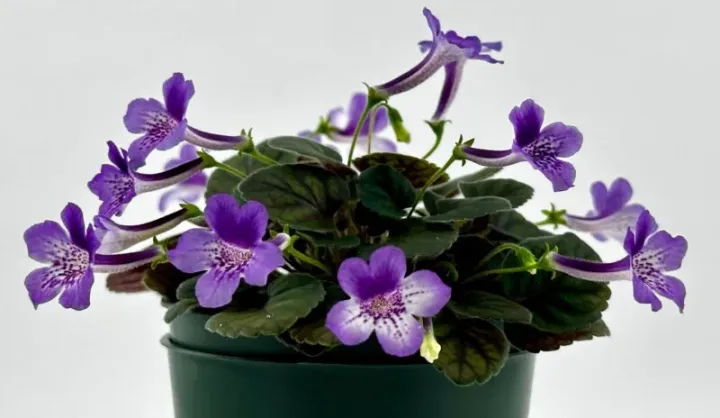
Description
Growing requirements
Sinningia concinna is a miniature perennial herbaceous plant belonging to the Gesneriaceae family, native to the tropical forests of Brazil. It is characterized by its exceptionally small size and a small tuber that serves as a storage organ during dormancy.
The culture requires high atmospheric humidity, typically above 60-70%, making it an ideal candidate for terrarium or vivarium cultivation. It struggles in the low humidity common in indoor residential environments, which often leads to stunted growth.
The ideal temperature for active growth ranges between 20 and 25 degrees Celsius. It is sensitive to sudden temperature fluctuations and cold drafts, which can cause the leaves to wilt or drop prematurely.
A loose, well-draining, and moisture-retentive substrate is essential for the healthy development of its root system. A mixture consisting of peat moss, perlite, and high-quality sphagnum moss is recommended to ensure adequate aeration.
Bright, indirect light is necessary for the plant to maintain its compact and miniature form. Exposure to intense, direct sunlight will scorch the delicate leaves, while insufficient light leads to etiolation and weak stems.
Main diseases and pests
Mealybugs and spider mites are the most common pests affecting this species. They thrive in poorly ventilated areas and can rapidly infest the small, dense foliage of the plant.
Overwatering is the primary cause of plant death, as it triggers root rot and various fungal pathogens. The substrate should remain moist but never saturated to prevent anaerobic conditions around the tuber.
Preventive measures include regular inspection of the leaves and maintaining a careful watering schedule that avoids wetting the crown of the plant.
In case of pest infestation, it is advisable to use soft systemic insecticides or biological control agents, keeping in mind the plant's sensitivity to high chemical concentrations.
Routine repotting in fresh, sterile soil is crucial to maintain optimal vigor and prevent the accumulation of mineral salts that can damage the delicate root hairs over time.