
Sinningia canescens
Sinningia canescens
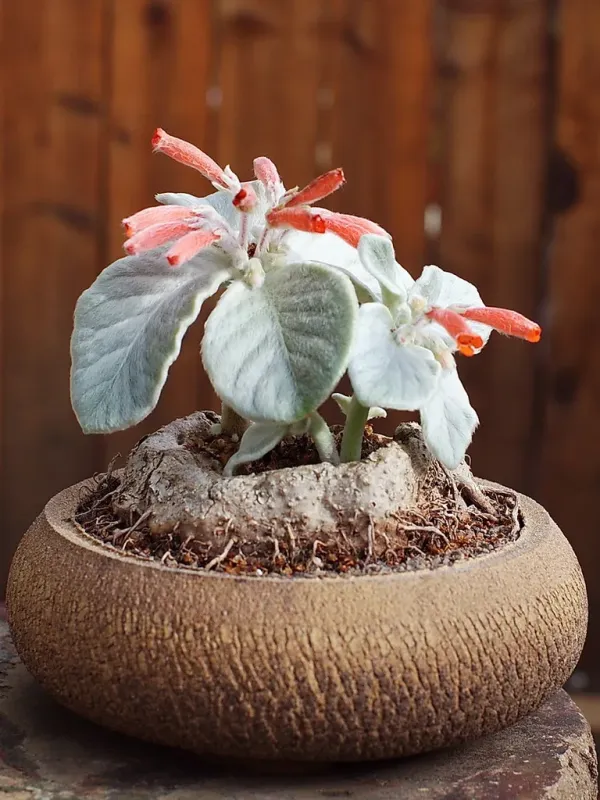
Description
Sowing dates
Propagation of Sinningia canescens is typically performed via seeds during the winter-spring period, generally between January and March. Seeds are very fine and must be sown on the surface of a moist, light substrate without covering, as they require light for successful germination.
To establish the necessary microclimate, sowing containers should be covered with transparent plastic or glass, maintaining temperatures between 22–25 degrees Celsius. Regular ventilation is crucial to prevent fungal growth and excessive moisture accumulation.
Pricking out seedlings is conducted once the first pair of true leaves appears, moving them into individual small pots. Using a mixture of peat and perlite ensures adequate aeration for the root system during the initial stages of development.
Vegetative propagation via tubers or cuttings is carried out after the dormant period, when the plant begins active growth. This method yields mature specimens that are ready to develop a robust foliage structure more quickly than seed-grown plants.
Light quality is a critical factor during the sowing phase, as insufficient light leads to spindly growth and structural weakness. The use of supplementary LED grow lights helps produce compact and healthy young plants throughout the early spring months.
Growing requirements
Sinningia canescens belongs to the Gesneriaceae family and is a tuberous perennial native to the rocky habitats of Brazil. The plant is adapted to nutrient-poor, free-draining environments, which dictates the specific requirements for potting media.
Cultivation requires a loose, breathable soil mix amended with perlite or vermiculite. Slightly acidic substrates are ideal to support healthy tuber development and minimize the risk of rot caused by waterlogging.
This species is light-demanding but requires protection from direct, intense sunlight, which can scorch its characteristic hairy leaves. East or west-facing windows provide the optimal intensity of bright, indirect light required for healthy growth.
The temperature range during the active growing season should ideally be between 20–24 degrees Celsius. It is vital to avoid sudden temperature fluctuations and cold drafts, which can cause leaf drop and force the plant into an unwanted dormant state.
Watering should be managed carefully, preferably by bottom-watering to prevent moisture from settling on the crown or the leaves. The top layer of the substrate should be allowed to dry out between waterings to ensure the health of the subterranean tuber.
Main diseases and pests
The primary threats to Sinningia canescens are fungal infections, typically exacerbated by overwatering and poor drainage. Root rot and phytophthora are particularly destructive and can lead to the rapid loss of the tuber if care protocols are not strictly followed.
Pests such as spider mites and mealybugs present significant challenges, especially in warm, dry indoor environments. The dense trichomes on the leaves make pest control difficult, necessitating early detection and regular monitoring.
Powdery mildew can manifest in conditions with stagnant air and high humidity. Treatment involves improving air circulation and applying appropriate systemic fungicides to curb the spread of fungal spores across the collection.
Thrips can cause damage to the growth tips and buds, resulting in deformed development. Prompt isolation of affected plants and the use of targeted biological or chemical control agents are effective strategies for managing these infestations.
Prevention relies on using sterile potting media and maintaining clean growing practices. Providing optimal environmental conditions significantly strengthens the plant's natural resistance to diseases and pests throughout its growing cycle.