

Reference · Crops
Tradescantia
Tradescantia L.
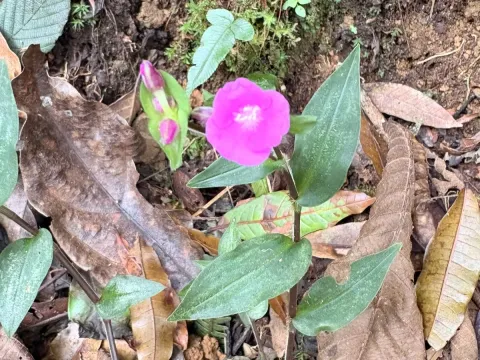
Tradescantia (Tradescantia L.) is a genus of perennial herbaceous plants within the Commelinaceae family. Native to the Americas, the genus ranges naturally from southern Canada to northern Argentina, thriving in diverse ecological niches.
6
items
What the section contains
 Tradescantia albiflora
 Kunth
Tradescantia albiflora
Tradescantia albiflora Kunth
 Tradescantia cerinthoides
 Kunth
Tradescantia cerinthoides
Tradescantia cerinthoides Kunth
 Tradescantia fluminensis
 Vell.
Tradescantia fluminensis
Tradescantia fluminensis Vell.
 Tradescantia spathacea
 Sw.
Tradescantia spathacea
Tradescantia spathacea Sw.
 Tradescantia virginiana
 L.
Tradescantia virginiana
Tradescantia virginiana L.
 Wandering Jew
Tradescantia zebrina hort. ex Bosse
Wandering Jew
Tradescantia zebrina hort. ex Bosse
Marketplace
Products in this section · 8


Tradescantia
The plant exhibits distinctive morphology with succulent stems and simple, alternate, sessile leaves. Many species are characterized by their rapid growth habit and ease of vegetative propagation through stem cuttings.
Optimal cultivation requires bright, indirect sunlight and well-draining soil media to prevent excessive moisture retention. The plant performs best in a temperature range of 18°C to 26°C and appreciates moderate humidity levels during the growing season.
In agricultural and horticultural sectors, Tradescantia is primarily valued as an ornamental crop. Its versatility allows for use in hanging baskets, containers, and as a ground cover in frost-free landscape environments.
Agronomic management involves regular pruning to maintain a dense, compact habit and avoid leggy growth. Nutrient requirements are moderate; balanced fertilizers applied monthly during the active growth phase are usually sufficient for optimal health.
Common pests include spider mites, aphids, and mealybugs, particularly in indoor environments with low humidity. Integrated pest management, including horticultural oils or insecticidal soaps, is highly effective for control.
Root rot, often caused by Pythium or Phytophthora species, remains the most critical threat due to overwatering. Maintaining a strict irrigation schedule and ensuring proper pot drainage are fundamental preventative measures.