
Tradescantia albiflora
Tradescantia albiflora Kunth
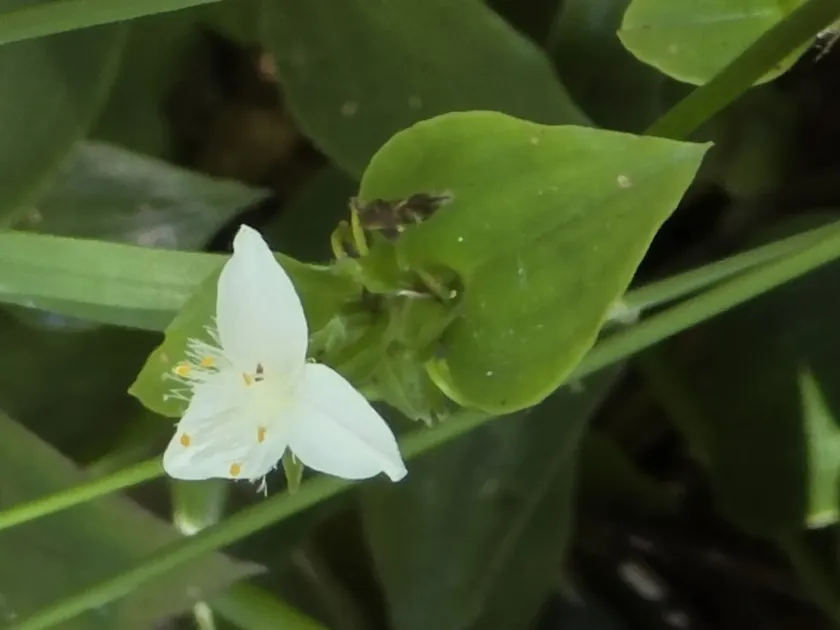
Description
Growing requirements
Tradescantia albiflora Kunth is a perennial herbaceous plant belonging to the Commelinaceae family. Native to the tropical regions of South America, this species thrives in humid forest habitats, where it typically develops as a sprawling ground-cover vegetation.
The plant is characterized by its succulent, branching stems that are node-bearing, allowing the plant to root easily upon contact with moist soil. The leaves are ovate to lanceolate, typically green or variegated, providing a lush appearance to the plant's overall architecture.
Cultivation requirements include a stable, temperate environment with plenty of bright, indirect sunlight. Exposure to harsh, direct midday sun often leads to leaf scorching, therefore a location with filtered light or partial shade is recommended for optimal plant vigor.
The substrate should be well-draining, nutrient-rich, and slightly acidic to neutral. A mixture of peat-based potting soil combined with perlite or coarse sand provides the necessary aeration and moisture retention capacity required for healthy root system development.
Agricultural management practices involve regular irrigation, ensuring the growing medium stays moist but not waterlogged. Pruning is essential for maintaining a compact habit, as the plant tends to become leggy over time; stems can be easily propagated by cuttings.
Main diseases and pests
Common pests affecting this crop include spider mites, aphids, and mealybugs. These organisms thrive in dry indoor conditions and can cause significant damage to the foliage; integrated pest management involves physical removal and targeted insecticidal treatment.
Fungal diseases, such as root rot or stem blight, are frequently encountered when environmental humidity is too high combined with poor drainage. Proper cultural practices, including adequate spacing and air circulation, are the primary methods for preventing these infections.