
Tradescantia andersoniana
Tradescantia andersoniana
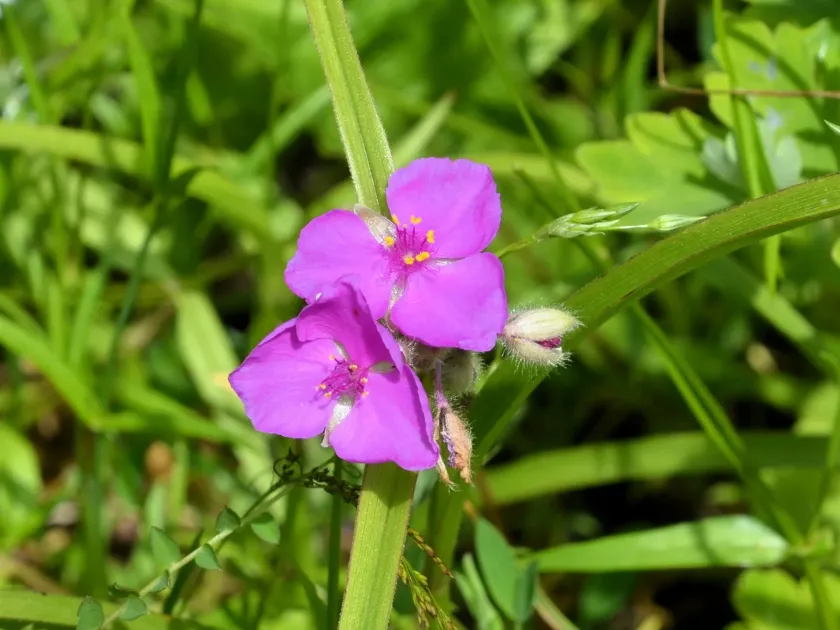
Description
Growing requirements
Tradescantia andersoniana is a member of the Commelinaceae family, representing a group of garden hybrids originating from North American species. This plant is valued for its long-lasting flowering period and hardy, clump-forming growth habit.
The plant thrives in moist, humus-rich soil that ensures good drainage. It is well-suited for planting near water bodies or in garden beds where consistent moisture can be maintained without creating waterlogged conditions that damage roots.
Regarding light requirements, it prefers partial shade or dappled sunlight. While it can adapt to sunnier spots, these locations necessitate more frequent watering to prevent the leaves from scorching and the blooms from wilting prematurely.
Climate adaptation involves protecting the plant from extreme heat and drying winds. In cooler regions, the plant is generally frost-hardy, although applying a layer of organic mulch helps protect the crown during freezing winter months.
Agronomic management includes regular pruning after the first flush of flowers. Trimming back the stems by a third encourages the plant to produce a second wave of blooms, maintaining its aesthetic appeal well into the late summer season.
Main diseases and pests
The plant is generally robust, but susceptibility to fungal infections increases under conditions of poor air circulation and excessive dampness. Leaf spot diseases may occur, requiring the removal of affected foliage to prevent spread.
Spider mites are the most common pest, especially during hot and dry spells. They cause foliage to appear speckled or yellowish, eventually leading to a decline in plant vigor if not controlled with appropriate miticides or regular irrigation.
Aphids can also congregate on tender new growth. Infestations are usually managed with insecticidal soaps or systemic treatments that effectively reduce pest populations without causing significant harm to the surrounding ecosystem.
Slugs and snails frequently target the succulent stems of the plant. Using physical barriers, such as copper tape or crushed eggshells, or applying iron phosphate baits can help manage these mollusks during wet growing seasons.
Monitoring for signs of pest damage is crucial for early intervention. Keeping the garden bed free of debris and weeds reduces the habitat for many potential pests, ensuring the long-term health and productivity of the Tradescantia.