
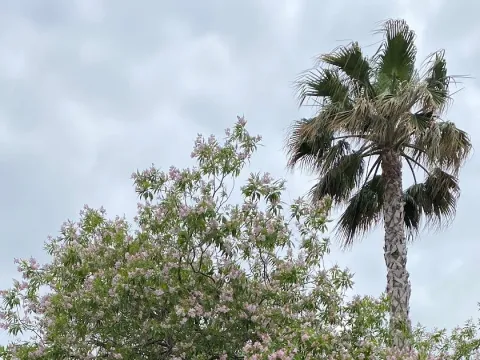
Chitalpa
x Chitalpa T. S. Elias & Wisura
Chitalpa (x Chitalpa) is a remarkable intergeneric hybrid derived from the cross-pollination of Catalpa and Chilopsis. It belongs to the Bignoniaceae family.
What the section contains

Chitalpa
This tree is highly valued in horticulture for its spectacular trumpet-shaped flowers and heat tolerance. It serves as an excellent ornamental specimen for various landscape designs.
The plant thrives in locations with full sun exposure. Adequate light is essential for maintaining a compact growth habit and stimulating continuous flower production throughout the season.
Well-drained soil is a critical requirement for this culture. While it adapts to various soil types, it performs best in loose, loamy substrates that allow proper oxygenation of the root system.
Chitalpa shows significant drought resistance once established, making it suitable for regions with hot, dry summers. However, young plants benefit from consistent moisture during their initial growth phase.
The primary threats to Chitalpa include fungal pathogens, particularly powdery mildew, which often manifests under high humidity conditions or poor air circulation.
Pests such as aphids and spider mites can infest the foliage, particularly during extended dry spells. Monitoring the undersides of the leaves is recommended for early detection.
Cultural maintenance, such as proper pruning, is vital for plant health. Removing dead or crossing branches promotes better airflow, significantly reducing the risk of fungal infections.
When chemical treatment is required, ensure that targeted products are used according to safety guidelines. Avoiding overhead irrigation can also minimize the likelihood of leaf disease development.
Root rot remains a concern if the plant is situated in low-lying areas where water collects. Ensuring proper site drainage is the most effective preventative measure against soil-borne issues.