
Tradescantia diuretica
Tradescantia diuretica
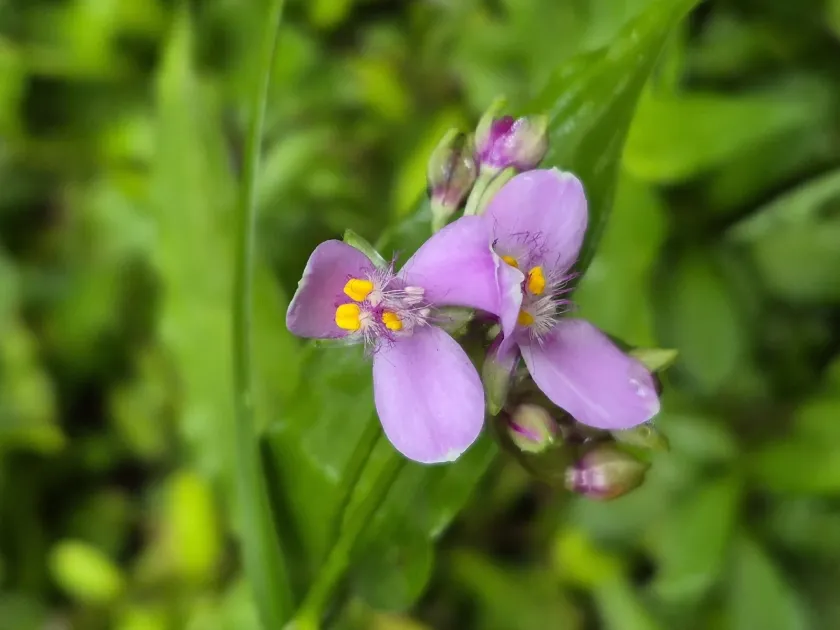
Description
Growing requirements
Tradescantia diuretica is a botanical species belonging to the Commelinaceae family. Native to South American tropical regions, it is recognized for its diuretic properties in traditional herbal applications, leading to its specific taxonomic classification.
The plant requires a stable environment with high humidity and consistent moisture. In an agricultural setting, it thrives in light, well-draining soils enriched with organic matter, mimicking its natural forest-floor habitat.
Temperature management is critical; the species is frost-tender and requires controlled thermal conditions, ideally between 20°C and 25°C. Exposure to cold drafts or temperatures below 10°C can significantly impede physiological processes.
Regarding light, it prefers diffused sunlight. Excessive direct solar radiation often results in leaf scorch, while extremely low light levels lead to elongated stems and decreased density of the vegetative canopy.
Botanically, it is characterized by succulent stems and lanceolate leaves. It exhibits a creeping habit, which can be managed in a production environment to ensure uniform plant density across the growing trays or field beds.
Main diseases and pests
Common pests affecting Tradescantia diuretica include spider mites and mealybugs, which thrive in environments where ambient humidity is not strictly maintained within the required range.
Fungal pathogens represent the most significant threat to the root system, often appearing when irrigation cycles are too frequent, leading to oxygen deprivation in the root zone.
Integrated pest management protocols should be implemented early in the growth cycle, focusing on environmental control to reduce the dependency on chemical synthetic agents.
Regular inspection of the underside of leaves is necessary to detect early-stage infestations, allowing for localized treatment before the pest population expands across the entire crop.
Adherence to good sanitation practices, such as removing senescing tissue and ensuring proper airflow between plants, is essential to minimize the development of mold and mildews.