
Tradescantia virginiana
Tradescantia virginiana L.
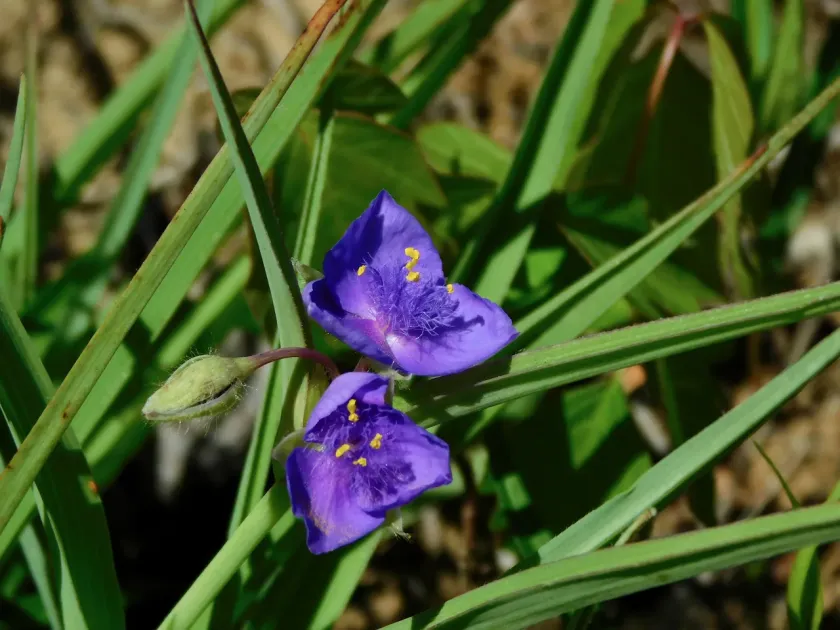
Description
Sowing dates
Sowing Tradescantia virginiana seeds is best performed during the autumn period or early spring in greenhouse environments. Stratification of seeds is essential to ensure high germination rates.
When sowing directly into the open field in spring, seeds should be placed at a shallow depth of approximately 1 centimeter. Proper soil preparation and temperature control are vital for consistent emergence.
Vegetative propagation via division is the most efficient method for mass production. It is recommended to perform this task in early spring to allow the plants to establish before the heat.
When dividing, ensure each segment possesses a robust root structure and healthy buds. Planting distance should be maintained between 30 and 40 centimeters to ensure adequate space for development.
As a member of the Commelinaceae family, this species is highly resilient and responds well to standard agronomic practices focused on moisture and soil health.
Growing requirements
Tradescantia virginiana is a perennial herbaceous plant that thrives in moist, fertile, and well-drained soils. It adapts well to both full sun and partial shade locations.
Originating from North America, the plant is well-suited to temperate climates. Regular irrigation is necessary during dry spells to maintain vigor and prevent early senescence.
The optimal soil pH range is slightly acidic to neutral. High organic matter content in the soil significantly improves the plant's structural development and flowering potential.
In colder regions, mulching is highly recommended to protect the root crown from extreme winter temperatures. This practice also helps retain soil moisture during the spring thaw.
Fertilization with balanced NPK formulas during the active growing season promotes continuous blooming and ensures the plant remains competitive against weed pressure.
Main diseases and pests
Tradescantia virginiana exhibits strong natural resistance to pests and diseases, yet it can be susceptible to fungal issues like leaf spot or root rot in waterlogged conditions.
Slugs and snails are the primary pests that damage the foliage, particularly during damp spring and autumn months. Monitoring and manual removal are effective management strategies.
Powdery mildew may occur if planting density is too high or air circulation is insufficient. Thinning out the plants is the preferred method to mitigate these environmental threats.
In cases of severe infestation, targeted fungicides or molluscicides may be applied according to standard integrated pest management protocols.
Sanitation practices, such as removing senescent vegetation in late autumn, are crucial for reducing the inoculum level of pathogens for the following season.