
Tradescantia cerinthoides
Tradescantia cerinthoides Kunth
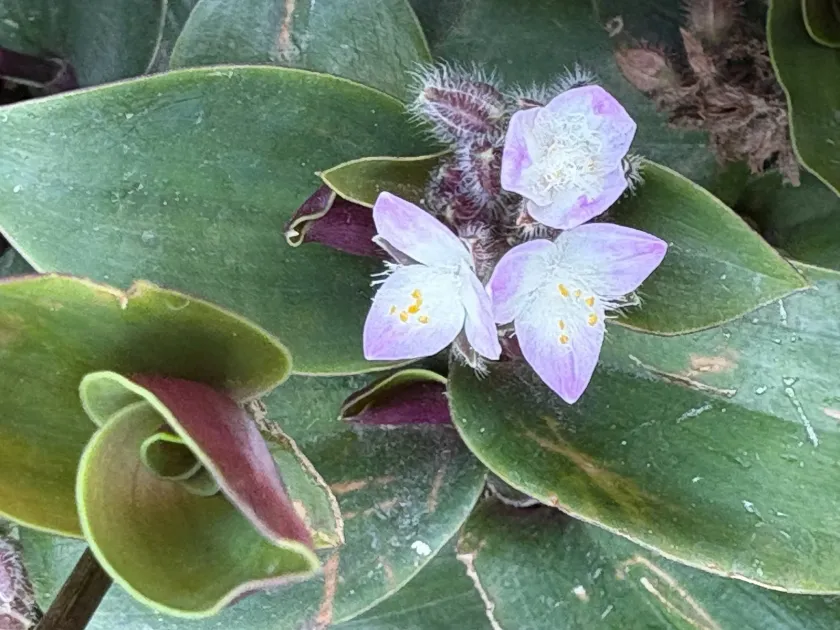
Description
Growing requirements
Tradescantia cerinthoides is a perennial herbaceous plant belonging to the Commelinaceae family. Native to South American regions, it is characterized by its succulent stems and attractive foliage, making it a popular subject for indoor cultivation.
The plant thrives in bright, indirect light. Exposure to intense, direct sunlight for extended periods may cause leaf scorch and damage the plant's delicate tissues, while insufficient light leads to leggy, unattractive growth.
Temperature requirements for optimal development range from 18 to 25 degrees Celsius. It is sensitive to frost and extreme cold, requiring a stable environment during the winter months to prevent physiological stress.
A well-draining potting medium is essential for this species. A standard mix consisting of peat, leaf mold, and perlite or coarse sand helps maintain the necessary moisture balance while preventing waterlogged conditions around the roots.
Agrotechnical maintenance involves regular watering during the active growth phase, ensuring the surface of the soil dries out slightly between applications. Over-watering is the primary cause of decline in this decorative crop.
Main diseases and pests
Typical pests affecting Tradescantia cerinthoides include spider mites and mealybugs. These pests flourish in dry air conditions, which necessitates maintaining an appropriate humidity level or regular misting of the foliage.
Fungal issues, such as root rot and stem rot, often arise from poor air circulation and excessive substrate moisture. Providing good ventilation and using pots with proper drainage holes are vital practices for preventing these conditions.