
Tradescantia spathacea
Tradescantia spathacea Sw.
Description
Growing requirements
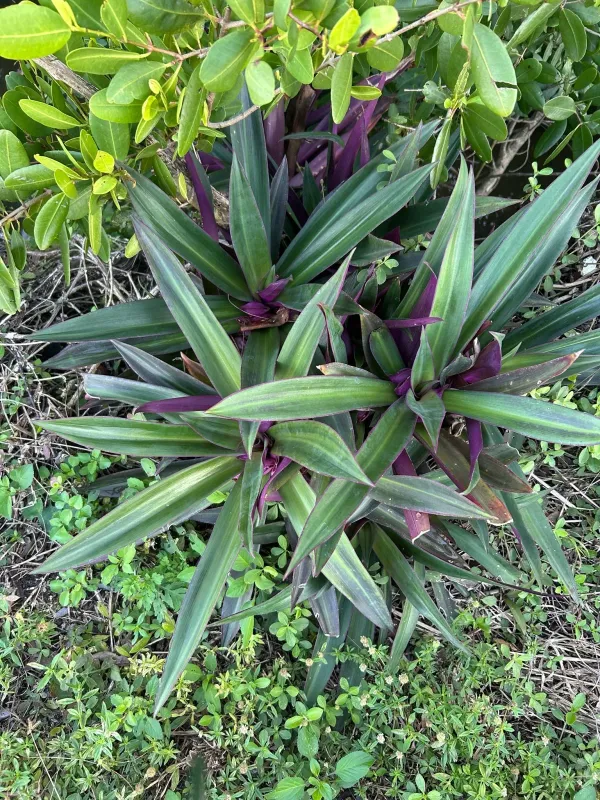
Tradescantia spathacea, commonly known as Moses-in-the-cradle or boat lily, is a perennial herbaceous plant belonging to the Commelinaceae family. It is characterized by its stiff, sword-shaped leaves with deep purple undersides, which make it a popular ornamental choice.
This species is native to tropical regions of Mexico and the West Indies. In cultivation, it is primarily used as a decorative houseplant or greenhouse crop, thriving in warm environments that mimic its natural tropical habitat throughout the year.
The plant requires bright, indirect sunlight to maintain its vibrant coloration. While it can adapt to lower light levels, excessive shade often results in long, leggy growth and a loss of the rich purple pigment on the leaf undersides.
Soil requirements for optimal health include a well-draining, fertile medium. A mix of peat-based potting soil, perlite, and coarse sand is highly recommended to ensure adequate aeration and prevent water stagnation around the roots.
Moisture management is crucial for this plant. It prefers consistently moist soil during the growing season but should never be left waterlogged, as it is highly susceptible to root damage when subjected to poor drainage.
Main diseases and pests
Spider mites are a primary pest concern for Tradescantia spathacea, especially in indoor environments with low humidity. They feed on the sap, causing foliage to appear stippled or yellow, eventually leading to premature leaf drop if left untreated.
Scale insects can also infest the stems and undersides of leaves. These pests are protected by a hard shell, making them difficult to eradicate; regular inspection and manual removal are often required in addition to chemical treatments.
Root rot is the most common physiological disorder, primarily caused by overwatering or soil that lacks proper drainage. Symptoms include wilting, blackened stems at the base, and a foul odor emanating from the soil surface.
Fungal leaf spots can occur when the plant is kept in an environment with poor air circulation and high moisture. If water remains on the leaves for extended periods, pathogens can exploit the surface, creating necrotic lesions.
To minimize disease risk, it is essential to provide adequate space between plants to allow for airflow. Regularly removing dead or dying leaves further prevents the spread of fungal spores and keeps the plant canopy healthy and robust.