


SKU #73073
·
60 views
Tradescantia RASSVET
Tradescantia
User rating
0 votes0% positive reviews
No ratings yet — be the first.
Decorative Plants
Tradescantia
Plant Height
30–50
Leaf Color
Variegated green-white
Registration year
2004
About product

A classic, compact variegated cultivar with stable genetics for professional and home interior design.
Decorative Plants
Tradescantia
Plant Height
30–50
Leaf Color
Variegated green-white
Registration year
2004
Description
Breeding Heritage and Cultivar Status
The 'Rassvet' tradescantia is the result of focused research conducted by the Federal Scientific Center for Vegetable Production (Russia) and lead researchers E.A. Sytov and E.G. Kolesnikova. Developed under the aegis of the Vegetable Research Station, this cultivar stands out for its genetic stability and reliable performance, moving beyond the inconsistency often found in generic, unlabeled nursery stock.
Ornamental Characteristics
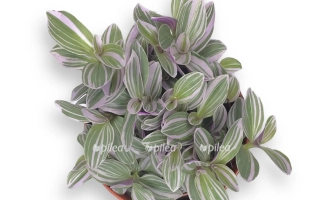
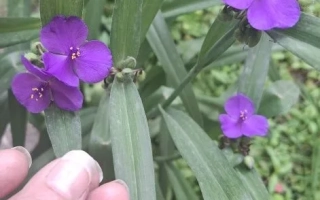
The name 'Rassvet' (Dawn) reflects the plant's striking variegated foliage, which features a crisp blend of green and white tones. Reaching a mature height of 30–50 cm, the plant maintains a controlled, compact habit. This makes it a highly versatile tool for interior landscaping, as it provides a lush, decorative texture without overgrowing its designated container or space.
Application and Market Positioning
Designed primarily for ornamental indoor use, 'Rassvet' is a preferred choice for greenhouse settings and home decor. Its moderate stature makes it exceptionally well-suited for hanging baskets, desktop arrangements, and vertical living walls. By choosing a registered cultivar, growers ensure a consistent aesthetic impact, as the plant remains true to its color profile and structural integrity under standard indoor environmental conditions.
Crop & resistance
Crop
Specifications
| Decorative Plants | |
|---|---|
| Plant Height | 30–50 |
| Leaf Color | |
| Registration year | 2004 |
| Catalog | Catalog → Tradescantia |
| Legal data |
Show · 8
|
| Country | Russia |
Store offers
Prices are updated on loadLoading offers…
Aggregator catalog: prices are collected automatically from store websites, normalized by AI and converted at the current exchange rate. Before ordering, confirm the price and availability on the store's website. This block is not indexed by search engines — the data is loaded after the page opens.
Not yet комментариев. Be the first!
Alternatives
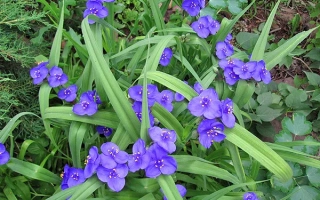
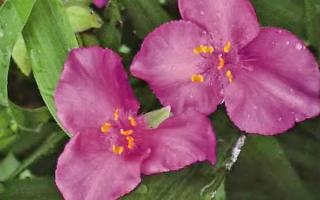
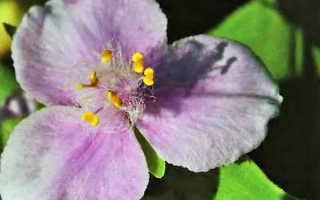
Tradescantia · similar varieties

See also
Often considered together with this variety


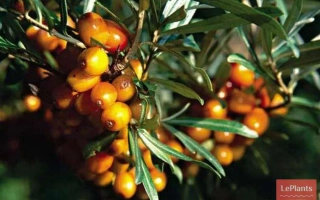

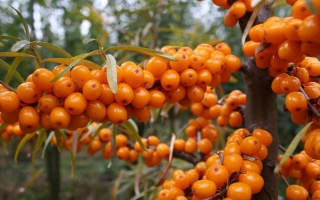

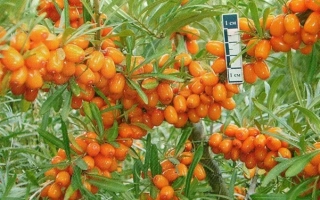
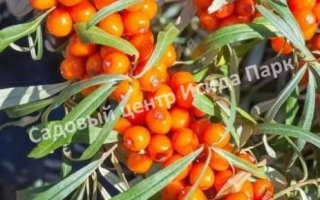

MOSCOW PINEAPPLE HIPPOPHAE RHYMPHOLATA
BOTANIChESKIJ SAD MGU IM.M.V.LOMONOSOVA
072 4 offers
13.37 € ≈ 685 ₴


Recently viewed
Products you’ve viewed on this site
Reviews · 0