
Wandering Jew
Tradescantia zebrina hort. ex Bosse
Description
Growing requirements
Tradescantia zebrina, commonly known as the Wandering Jew, is a perennial herbaceous plant belonging to the Commelinaceae family. Originating from the tropical regions of Mexico and Central America, it serves as a versatile species in both ornamental gardening and indoor cultivation.
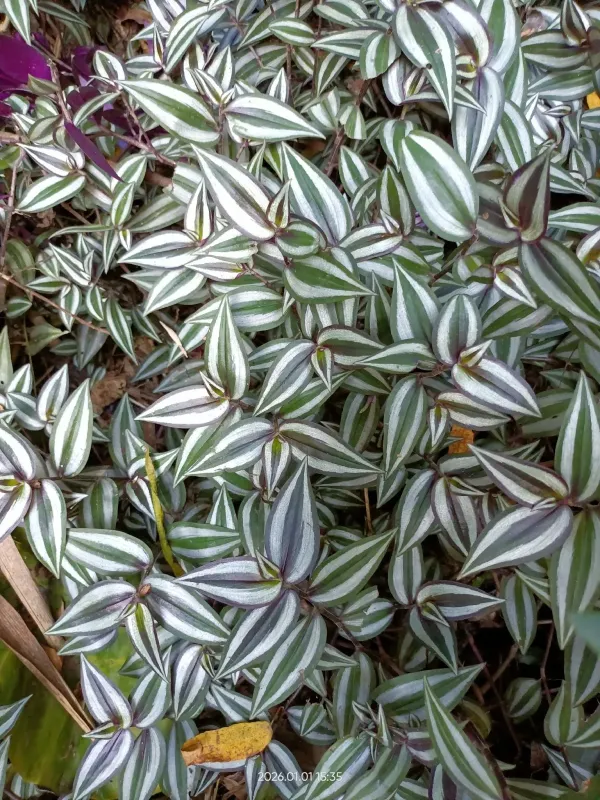
The plant exhibits a trailing growth habit with fleshy stems and succulent-like leaves characterized by striking silver and deep purple striped patterns. Botanically, it is known for its rapid biomass production and ability to adapt to various indoor light conditions.
Effective cultivation requires an ambient temperature range between 18 and 24 degrees Celsius. The species thrives under bright, filtered light, which is essential for maintaining the vibrant purple and silver pigmentation on its foliage, preventing excessive stem elongation.
Soil requirements focus on well-draining, nutrient-rich potting media. A mix containing peat moss, pine bark, and coarse sand provides the necessary aeration and moisture retention that supports the plant's sensitive root system while preventing waterlogging.
Agronomic management involves maintaining consistent soil moisture, allowing the surface layer to dry slightly between waterings. Fertilization with a balanced liquid fertilizer during the growing season is recommended to ensure robust growth and continuous foliage renewal.
Main diseases and pests
The most frequent threats to the vitality of Tradescantia zebrina include infestations by spider mites, mealybugs, and aphids. These pests typically thrive in environments with low humidity, necessitating regular inspection of the leaf undersides.
Pathogenic risks primarily include fungal infections such as root rot and leaf spots, which are usually triggered by overwatering or poor environmental ventilation. Adhering to strict sanitary practices and managing irrigation levels effectively minimizes the vulnerability of the crop to these diseases.