
Thrixanthocereus longispinus
Thrixanthocereus longispinus
Description
Growing requirements
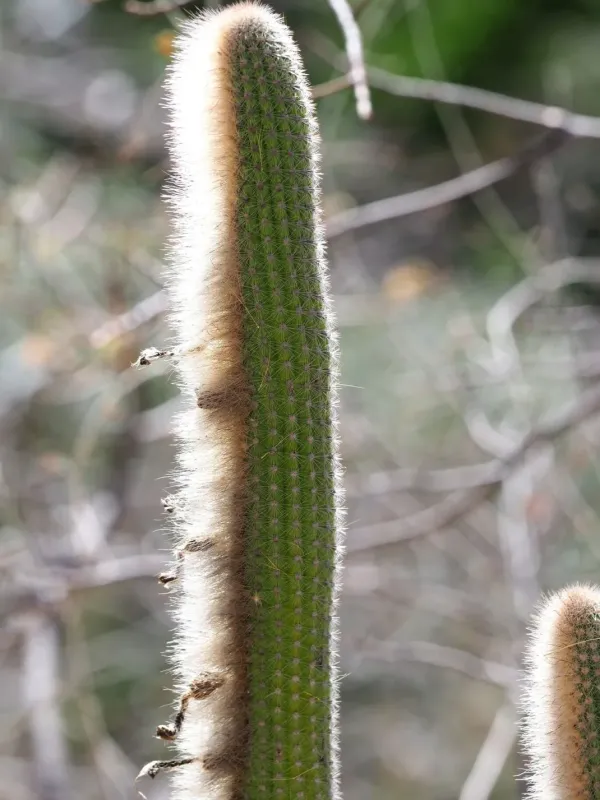
Thrixanthocereus longispinus is a rare column-shaped cactus species belonging to the Cactaceae family. It originates from the high-altitude landscapes of Peru, where it has evolved to thrive in harsh, rocky environments with extreme sunlight exposure.
Botanically, it is known for its tall, upright stem adorned with long, prominent spines and a specialized structure called a cephalium. This woolly zone is essential for floral development and represents a distinct evolutionary adaptation to its native highland habitat.
To cultivate this species successfully, it requires abundant sunlight and high-intensity light levels. In a greenhouse or indoor environment, placing the plant in a south-facing position is ideal to maintain its compact growth habit and vibrant spine coloration.
The substrate must be highly inorganic, prioritizing excellent drainage over nutrient density. A mix composed primarily of coarse volcanic rock, pumice, and grit is superior to standard potting soil, as it mimics the natural mineral-rich environment of the Peruvian mountains.
Watering should be managed with extreme caution. During the growing season, a soak-and-dry method is recommended, ensuring that the soil medium is completely desiccated before the next irrigation cycle. Dormancy in winter requires a completely dry environment to prevent rot.
Main diseases and pests
Root rot, primarily caused by fungal pathogens triggered by high humidity and poor soil aeration, remains the primary threat. Once the internal tissues of the stem become soft or discolored, the damage is often irreversible for the plant.
Mealybugs are the most common pests, as their waxy white secretions are often shielded by the dense spine clusters of the cactus. These insects pierce the epidermis to feed on sap, leaving the plant susceptible to secondary viral or bacterial infections.
Integrated pest management involves physical removal of visible insects combined with specialized systemic insecticides. Because the plant is protected by spines, applying these chemicals requires diligence to ensure they reach the plant's surface directly.
Environmental management is the best defense against threats. Good air circulation is paramount to minimize humidity levels around the stem. Preventing standing water after heavy rain or cleaning sessions is a fundamental requirement for long-term health.
Regular monitoring of the base of the stem is crucial, as this area is the most vulnerable to soil-borne diseases. Maintaining a clean, sterile growing environment and avoiding overcrowding helps keep the population of potential pests and pathogens under control.