
Thrixanthocereus senilis
Thrixanthocereus senilis
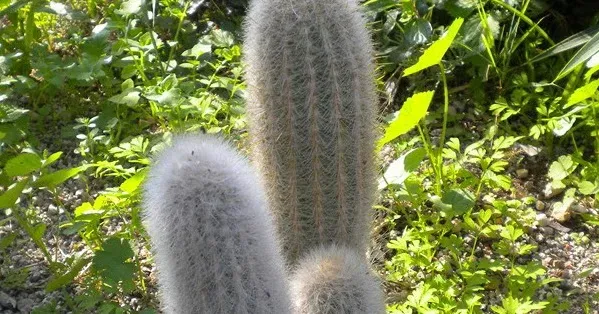
Description
Sowing dates
Propagating Thrixanthocereus senilis is best achieved through seed sowing during the early spring months. Seeds require a well-draining, sandy-based mineral substrate to prevent early dampening-off.
Maintain temperatures between 22 and 26 degrees Celsius to optimize germination rates. High humidity must be sustained initially, followed by a gradual reduction as the seedlings develop their characteristic spines.
Seedlings grow slowly, requiring patience and careful monitoring for moisture balance. Ventilation is critical once the first hairs appear to ensure the young plants do not succumb to fungal infections.
Pricking out the young cacti should only be performed when they show signs of becoming crowded in the starter tray. This typically occurs in their second year of growth.
Using sterile equipment is paramount when working with seedlings, as they are exceptionally vulnerable to soil-borne pathogens in the first few months of their development.
Growing requirements
Native to the high altitudes of the Peruvian Andes, this species belongs to the Cactaceae family. It thrives in conditions that mimic its wild habitat: intense sunlight and high-altitude air circulation.
The potting medium must be inorganic, consisting of gravel, coarse sand, and perlite. Avoid peat-based mixes, as they retain moisture for too long, which is detrimental to the plant's delicate root system.
During the growing season, watering should be sparse and provided only when the substrate has completely dried out. Water should be applied carefully to the soil edge, avoiding the woolly hair of the plant.
Winter dormancy is essential for healthy development. Keeping the plant in a cool environment, around 10 degrees Celsius, and completely dry ensures it can withstand the lower light intensity of winter.
The plant grows as a column, often developing a cephalium in mature specimens. Its dense white hair is a specialized evolutionary trait designed to reflect high UV radiation found in mountainous terrains.
Main diseases and pests
Root rot is the most common cause of failure in Thrixanthocereus senilis cultivation. It is almost exclusively caused by overwatering or poor soil drainage, leading to permanent tissue damage.
Mealybugs are particularly difficult to manage on this species because the pests can hide deep within the thick white hairs. Regular inspections using a magnifying glass are recommended to detect infestations early.
Spider mites can become an issue in stagnant, dry indoor air. Their presence is often marked by yellowing patches on the stem, which can be mitigated with systemic insecticides or specialized acaricides.
Fungal infections can appear as dark spots on the epidermis if air circulation is inadequate. Improving airflow and reducing humidity levels usually stabilize the condition.
Scale insects can occasionally attach to the stem. While they are easier to spot than mealybugs, their hard shells require manual removal or the application of horticultural oils for effective control.