
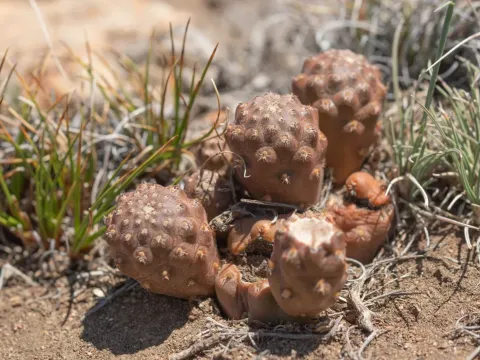
Pterocactus
Pterocactus
Pterocactus is a genus of succulent plants within the Cactaceae family, known for its distinct botanical structure. These plants are true geophytes, possessing a large, tuberous, or carrot-shaped subterranean root system that stores water, allowing them to survive in the arid and rocky environments of Argentina.
What the section contains
 Pterocactus araucanus
Pterocactus araucanus
Pterocactus araucanus
 Pterocactus australis
Pterocactus australis
Pterocactus australis
 Pterocactus fischeri
Pterocactus fischeri
Pterocactus fischeri
 Pterocactus hickenii
Pterocactus megliolii
Pterocactus megliolii
Pterocactus hickenii
Pterocactus hickenii
Pterocactus megliolii
Pterocactus megliolii
 Pterocactus reticulatus
Pterocactus reticulatus
Pterocactus reticulatus
 Pterocactus tuberosus
Pterocactus tuberosus
Pterocactus tuberosus
 Pterocactus valentini
Pterocactus valentini
Pterocactus valentini
Pterocactus
Originating from the harsh landscapes of Patagonia and surrounding regions, Pterocactus species are well-adapted to high UV exposure, wind, and fluctuating temperatures. They have evolved to minimize water loss, often maintaining only a small portion of their stem above the soil surface during the dormant season.
The cultivation of Pterocactus requires specialized soil conditions. Growers must provide a highly inorganic, fast-draining medium consisting primarily of pumice, coarse sand, and crushed rock. The presence of organic material should be strictly limited to prevent root decay, which is the primary cause of failure in domestic cultivation.
Environmental requirements include bright, direct sunlight throughout the growing season. Adequate ventilation is equally critical to mimic the breezy habitats of their native range and to prevent the buildup of moisture that could lead to fungal issues. During winter dormancy, keeping the plant dry and in a cool environment is essential.
Regarding propagation, Pterocactus is typically multiplied through the rooting of stem segments. These segments often disconnect naturally in their native habitat, which is an evolutionary strategy for dispersal. In cultivation, allowing the cut end of a segment to callus before placing it in dry sand facilitates rapid root development.
The most significant threat to Pterocactus is rot caused by poor soil drainage and excessive irrigation. If the substrate remains damp for extended periods, pathogens such as Erwinia or various fungi can invade the succulent tissue, leading to rapid tissue death starting from the base.
Root mealybugs pose a persistent threat, often establishing colonies deep within the crevices of the tuberous root system. These pests suck sap from the roots, weakening the plant and making it susceptible to secondary infections; their presence often goes unnoticed until the plant ceases growth.
Spider mites can also become an issue, particularly during hot and dry spells, manifesting as fine webbing or discoloration on the stem segments. Implementing a consistent pest management plan using horticultural oils or systemic insecticides is advised to maintain plant health throughout the season.