
Pterocactus reticulatus
Pterocactus reticulatus
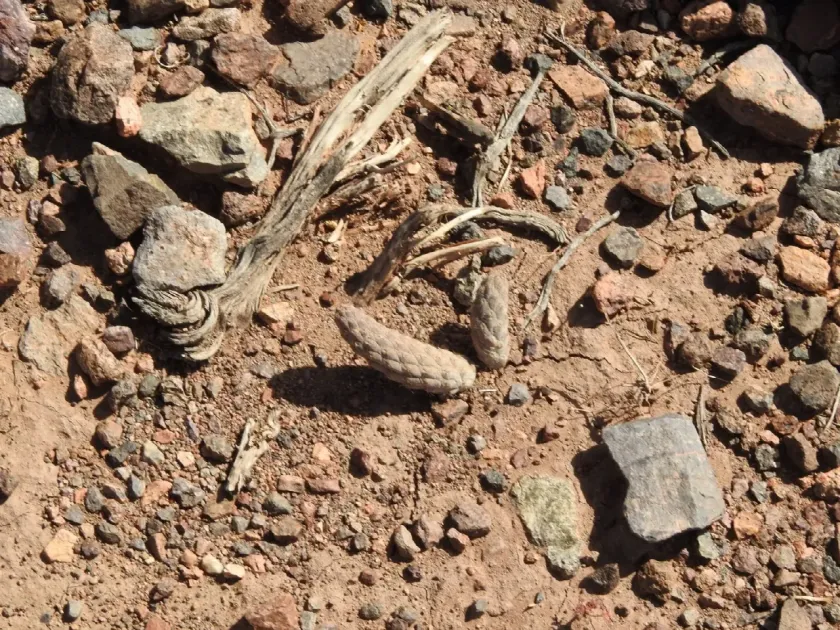
Description
Growing requirements
Pterocactus reticulatus is a member of the Cactaceae family, primarily native to the arid and mountainous regions of Argentina. This species is highly specialized for life in environments with extreme thermal fluctuations.
The plant thrives in well-draining, mineral-rich substrates that mimic its natural habitat. Soil composition should be dominated by inorganic elements like crushed stone or coarse sand to prevent moisture accumulation.
Climate requirements involve high sunlight exposure during the growing season. It is crucial to maintain dry conditions during the winter dormancy period to prevent physiological stress or tissue rot in the plant.
Watering strategies must be moderate and intermittent. The plant uses its specialized, tuberous root system to store water, which allows it to withstand prolonged drought cycles effectively in its natural ecosystem.
Proper airflow is a critical agrotechnical factor for this crop. Stagnant air combined with high humidity can quickly lead to structural degradation of the cactus stems and eventual loss of the plant.
Main diseases and pests
Root rot, induced by overwatering or poor drainage, represents the most significant threat to Pterocactus reticulatus. This condition is often fatal and difficult to reverse once advanced symptoms appear.
Common pests include mealybugs, which tend to hide within the intricate structures of the areoles. Spider mites may also become an issue during periods of extremely low humidity and high ambient heat.
Management of pest outbreaks requires the use of systemic insecticides specifically labeled for succulent plants. Application should be performed cautiously to avoid damaging the delicate epidermis of the cactus.
Proactive care involves inspecting the plant regularly for signs of stunted growth or discoloration. Early detection of pests allows for localized treatment, minimizing the need for broad-spectrum chemical application.
Maintaining a strictly controlled environment is the best prevention strategy. Ensuring that the substrate dries out completely between waterings is essential for long-term health and disease resistance.