
Pterocactus australis
Pterocactus australis
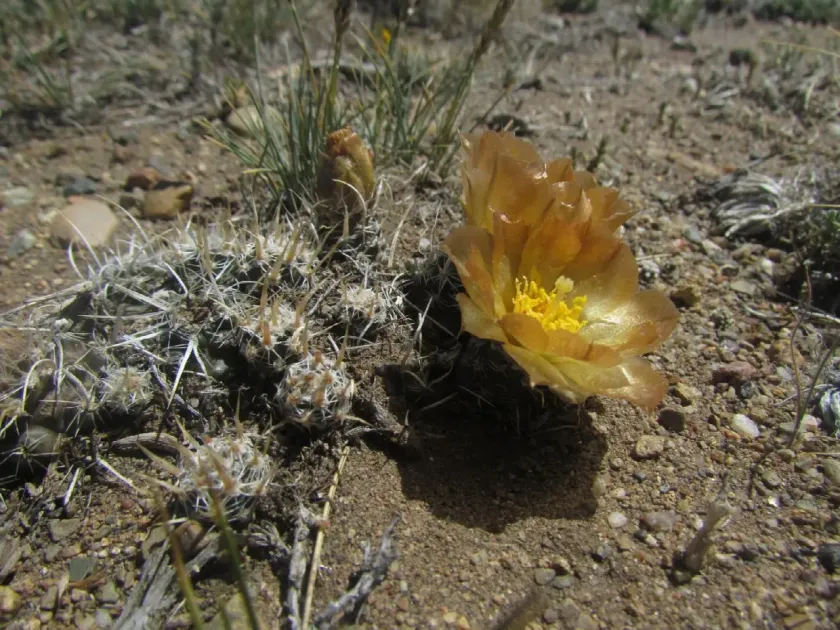
Description
Growing requirements
Pterocactus australis belongs to the Cactaceae family, known for its unique geophytic structure. The plant develops a robust, tuberous root system that serves as a vital storage organ for water and nutrients, enabling survival in arid environments.
The native distribution of this species spans the harsh, stony landscapes of Patagonia and Argentina. These environments have shaped the plant's physiological adaptations, allowing it to withstand extreme temperature fluctuations and intense solar radiation.
Botanically, the plant is characterized by segmented stems that are often deciduous in the wild, retreating into the subterranean tuberous root during the harshest weather conditions, only to sprout again when moisture levels are sufficient.
Agricultural success depends on providing a highly permeable, gritty, and mineral-rich substrate. Standard potting soils are unsuitable; rather, a specialized cactus mix with excellent drainage properties is required to prevent physiological disorders.
The cultivation cycle requires distinct seasonal temperature variations to trigger natural growth rhythms. Adequate light exposure is paramount, as low-light conditions result in etiolation and a significant reduction in the plant's overall vitality and aesthetic value.
Main diseases and pests
The primary threats to Pterocactus australis involve fungal pathogens associated with waterlogged conditions. Excessive irrigation, especially during the dormancy phase, frequently results in irreparable tissue decay and the loss of the plant.
Pests such as mealybugs and spider mites are common concerns in greenhouse settings. Implementing a consistent Integrated Pest Management (IPM) strategy, focusing on air circulation and humidity control, is essential for maintaining a healthy crop.