
Pterocactus hickenii
Pterocactus hickenii
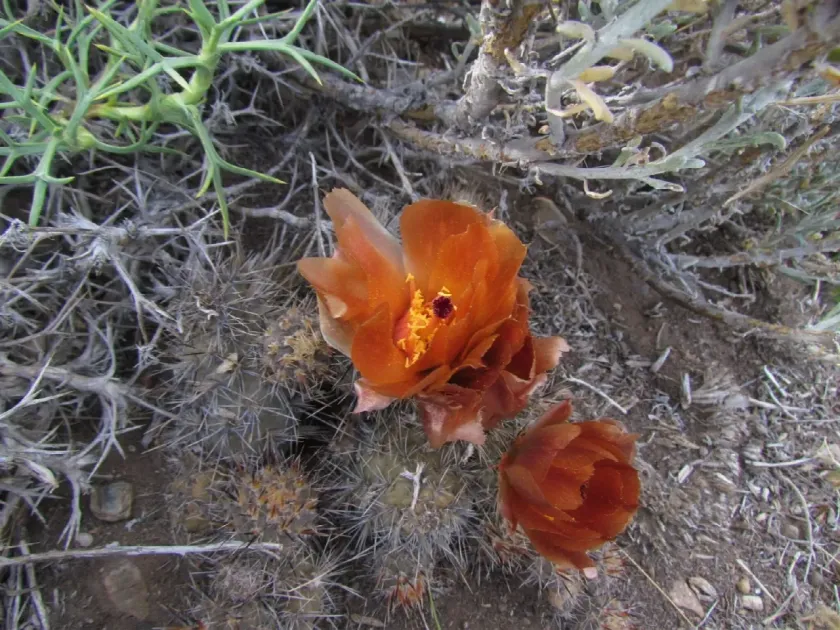
Description
Growing requirements
Pterocactus hickenii is a unique perennial succulent species belonging to the Cactaceae family. Native to the harsh environments of Argentina, this plant is well-adapted to high-altitude steppes and cold desert conditions.
The species is known for its subterranean root tuber, which acts as a storage organ for water and nutrients. In cultivation, it requires a highly porous, mineral-based substrate that allows for rapid water drainage and prevents soil compaction.
Regarding climate, this plant thrives in environments with high solar radiation and significant temperature fluctuations. During the growing season, it requires bright, direct light to maintain its compact growth form and prevent etiolation.
A strict moisture management protocol is essential for the health of this crop. Watering should be infrequent and restricted to the warm months, while the substrate must remain completely dry during the winter dormancy period.
The plant is resilient to cold temperatures if kept dry, making it suitable for specialized collections. Proper aeration is crucial to simulate the windy conditions of its natural habitat and ensure the health of the epidermis.
Main diseases and pests
The primary threat to Pterocactus hickenii is rot, caused by pathogens in damp or poorly drained soil. When moisture levels are too high, the sensitive root system and succulent stems become susceptible to rapid decay.
Pests such as mealybugs and spider mites are frequent invaders in greenhouse environments. These pests thrive in dry air and can cause significant damage to the plant by weakening its internal structure.
Early detection of infestation is vital to prevent the spread to other succulent specimens in a collection. Applying specialized systemic pesticides is recommended only if physical removal or manual cleaning is insufficient.
Poor ventilation can lead to the buildup of humidity, which promotes the growth of surface fungi and molds. Ensuring a steady flow of air around the plant is one of the most effective preventive measures available.
In addition to pests, nutritional imbalances due to improper fertilization can make the plant more vulnerable. A cautious approach to nutrient supplementation, using only potassium-rich fertilizers, is highly advised for this species.