
Polaskia
Polaskia
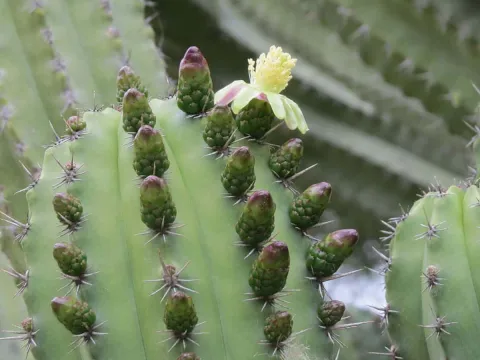
Polaskia is a genus of arborescent cacti belonging to the family Cactaceae. Native to the arid and semi-arid regions of Mexico, these plants are highly specialized for surviving in harsh, rocky landscapes with minimal seasonal rainfall.
What the section contains


Polaskia
Successful cultivation of Polaskia requires a highly permeable substrate. A mix consisting of coarse sand, gravel, and pumice is recommended to ensure that water drains rapidly, preventing any accumulation around the root collar.
Light intensity is a critical factor for the healthy development of Polaskia. Being full-sun plants, they require as much direct sunlight as possible to maintain their characteristic columnar shape and robust epidermal structure.
During the growing season, watering should be thorough but infrequent, allowing the substrate to dry out completely between sessions. In winter, the plants enter a dormancy phase and require cool, dry conditions to prevent physiological stress.
In addition to their ornamental value, Polaskia species are widely utilized in cactus horticulture as high-performance grafting stocks due to their vigorous growth habit and ability to provide a strong root system for scions.
The primary threats to Polaskia include root rot and stem rot, which are almost exclusively caused by overwatering or soil mixes that retain too much moisture, especially during low light periods.
Mealybugs are the most persistent insect pests, often colonizing the plant in hidden areas near the apex or between the ribs where they are difficult to detect during early stages of infestation.
Spider mites can cause significant damage to the plant's skin, resulting in yellowing or brown corky patches that detract from the specimen's aesthetic value and compromise its metabolic processes.
Fungal pathogens such as those causing black rot can spread quickly if humidity levels remain consistently high without adequate airflow, leading to structural failure of the succulent stem.
Effective management includes maintaining a dry atmosphere, ensuring constant air circulation around the plants, and implementing regular monitoring programs to detect and treat pests before they reach critical levels.