
Pterocactus araucanus
Pterocactus araucanus
Description
Growing requirements
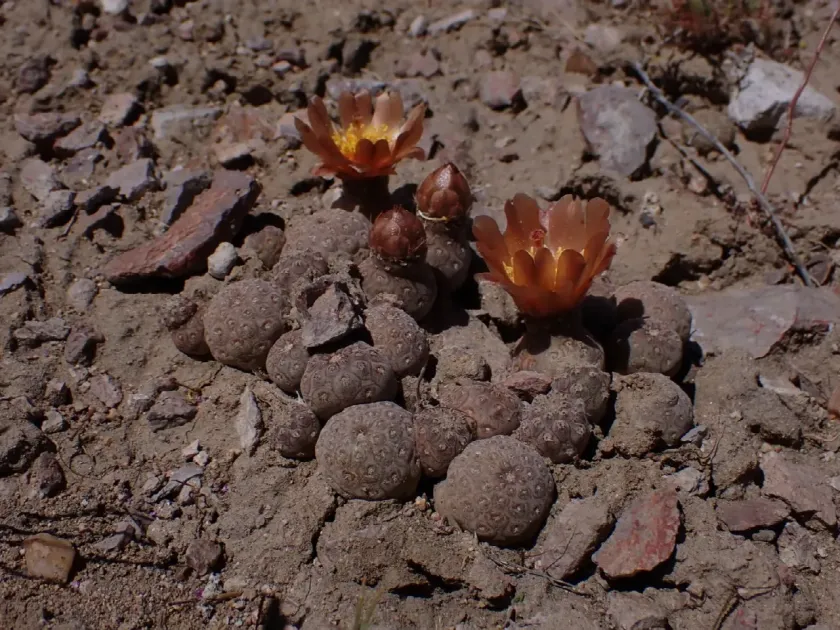
Pterocactus araucanus is a unique species belonging to the Cactaceae family. It originates from the arid, high-altitude regions of Argentina and Chile, where it has evolved to thrive in harsh, rocky environments.
The plant is characterized by its tuberous, thickened roots which serve as water storage organs, and its segmented, cylindrical stems that often partially bury themselves in the soil during extreme drought.
For successful cultivation, the substrate must be highly mineralized and porous. A mix of pumice, grit, and sandy soil is ideal to ensure fast drainage and prevent root rot, which is the primary cause of failure in this species.
This cactus requires intense, direct sunlight to maintain its natural growth habit and encourage flowering. In indoor settings, consistent air circulation is essential to prevent fungal infections on the delicate epidermis.
A strict dormancy period is required during the colder months. During this time, the plant should be kept completely dry in a cool environment to simulate its natural habitat cycles and ensure blooming in the following spring.
Main diseases and pests
The most significant threats to Pterocactus araucanus include root rot caused by stagnant water and pathogens like Phytophthora, which quickly devastate the root system in damp conditions.
Common pests include spider mites, which can be difficult to detect in the crevices of the stem segments, and mealybugs, which thrive if the plant is kept in an environment with poor air movement.