
Pterocactus fischeri
Pterocactus fischeri
Description
Growing requirements
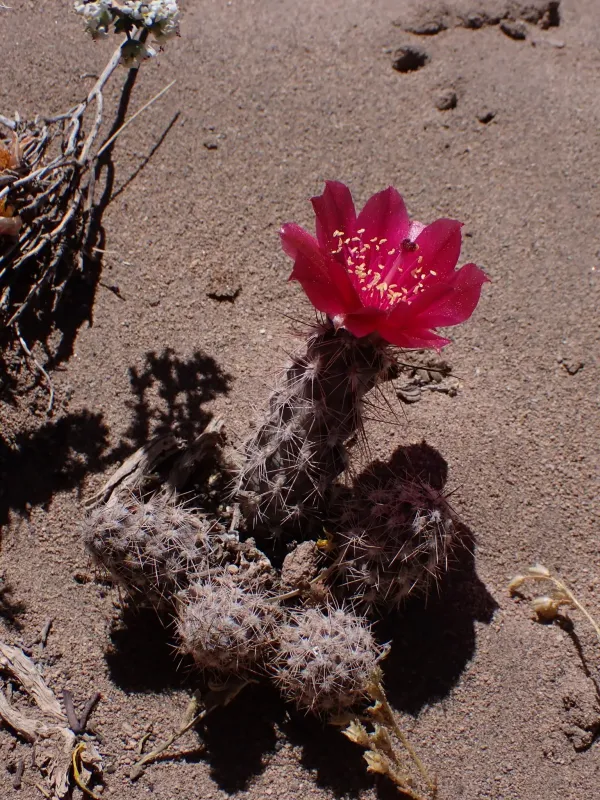
Pterocactus fischeri is a distinct member of the Cactaceae family, primarily recognized for its large, tuberous root system. This geophytic adaptation allows the plant to store significant amounts of water, enabling it to survive in the arid and mountainous regions of Argentina.
In its native habitat, the plant grows in rocky, mineral-rich soils. The botanical structure consists of segmented stems that are often deciduous or partially dormant depending on the seasonal moisture levels available in the environment.
Agricultural success with this species depends heavily on providing a perfectly draining substrate. A mixture comprising pumice, crushed volcanic rock, and minimal organic matter is essential to replicate its natural environment and prevent root rot.
Climate requirements involve high solar exposure and adequate ventilation. The plant thrives in well-ventilated greenhouses or outdoor environments where it can receive direct sunlight for the majority of the day during its growing season.
Economic and utility applications are primarily focused on specialized botanical gardens and private cactus collections. The species is highly sought after by enthusiasts for its unique evolutionary traits and the challenge it presents in cultivation.
Main diseases and pests
The most prevalent threats to Pterocactus fischeri are physiological disorders linked to improper water management. Root rot is the primary cause of mortality in cultivation, often triggered by dense soil media that retains moisture for too long.
Pests such as mealybugs and spider mites are frequent invaders of the plant's delicate epidermis. Monitoring the plant's stems for white cottony deposits or fine webbing is crucial for early intervention.
Fungal infections can become aggressive if the plant is kept in humid conditions without adequate air movement. Improving airflow is often as effective as chemical intervention in preventing the spread of mold and rot.
Physical damage to the stem segments can serve as an entry point for pathogens. Careful handling and sterile tools are recommended when propagating or repotting this species to maintain plant health.
Winter dormancy is a critical phase for the plant's long-term survival. Keeping the substrate completely dry during this stage prevents premature growth and potential collapse of the tuberous root system due to lack of energy reserves.