
Praecereus
Praecereus
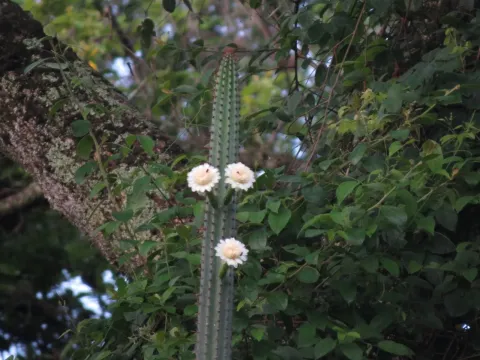
Praecereus is a genus of columnar cacti belonging to the Cactaceae family. These plants are native to tropical regions of South America, naturally occurring in countries like Peru, Bolivia, Brazil, and Venezuela, where they grow in arid and semi-arid environments.
What the section contains


Praecereus
The botanical structure of Praecereus is characterized by its woody, branching stems which can reach considerable heights. These cacti are well-adapted to environments with intense solar exposure, making them ideal candidates for sun-drenched greenhouses or outdoor landscaping in frost-free zones.
Regarding soil requirements, Praecereus demands a highly porous, gritty substrate that facilitates rapid drainage. The soil pH should ideally be neutral or slightly acidic to promote optimal nutrient uptake and prevent the roots from suffocating in heavy clay or waterlogged soils.
Cultivation practices involve a strict seasonal watering schedule. During the growing season, plants require moderate water, while during the winter dormancy period, watering must be completely suspended to mimic the natural drought conditions of their native habitat.
Their primary economic utility is horticultural. They are prized by gardeners and succulent collectors for their unique structural form, architectural appeal, and their ability to produce night-blooming flowers, which add significant aesthetic value to botanical displays.
The most common health issues for Praecereus are root and stem rots, typically triggered by overwatering or poor air circulation. To manage these risks, it is essential to ensure that the potting medium remains dry for sufficient periods between irrigation cycles.
Insects like mealybugs and spider mites are typical pests for this genus. Infestations should be managed immediately using targeted acaricides or systemic insecticides to prevent damage to the epidermis, which can lead to unsightly scarring or systemic decline of the plant.