
Pterocactus valentini
Pterocactus valentini
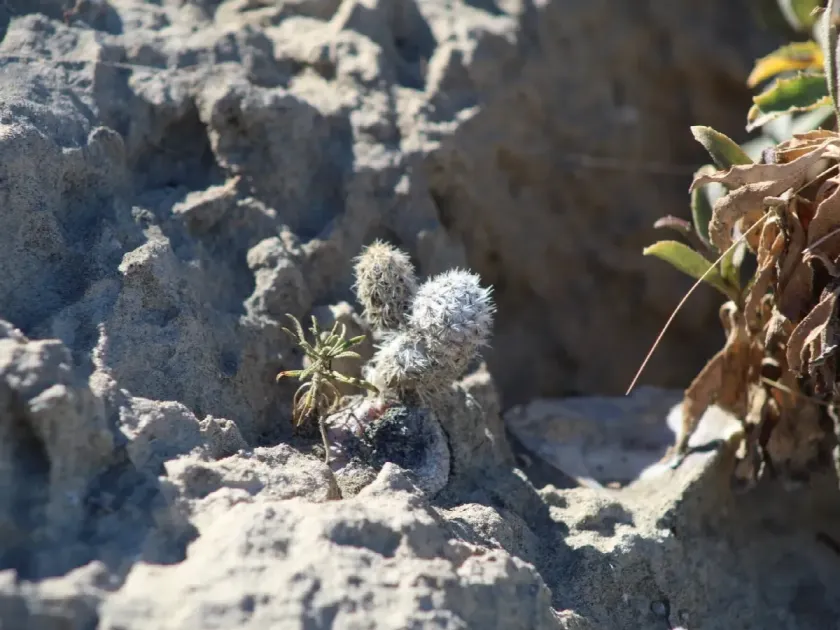
Description
Growing requirements
Pterocactus valentini is a distinctive succulent species belonging to the Cactaceae family, known for its significant tuberous root system and segmented appearance. Native to the harsh environments of Argentina, this plant has evolved to survive in extreme conditions with minimal water availability.
Successful cultivation requires a highly permeable substrate that ensures rapid drainage. A mix of coarse sand, crushed gravel, and a very small portion of organic matter is ideal for replicating the natural mountain soil the plant requires to thrive.
The plant demands intense sunlight for most of the year to maintain its compact growth form. Providing adequate ventilation is equally important, as it helps prevent the heat accumulation that can occasionally lead to fungal issues in confined spaces.
During the dormant winter season, the plant must be kept completely dry and in a cool environment to prevent premature growth or root decay. Strict adherence to this rest period is essential for the healthy development of its signature tuberous roots.
Pterocactus valentini is primarily used in specialized succulent collections and botanical research. Its propagation is usually performed via cuttings of segments or division of the tubers, although seed germination remains a viable method under controlled greenhouse conditions.
Main diseases and pests
The most significant threat to Pterocactus valentini is the development of rot, primarily caused by waterlogged soil. Once the tubers begin to decay due to excessive moisture, the plant's recovery is difficult, making irrigation management the top priority for growers.
Mealybugs are common pests that tend to hide within the junctions of the segments, where they feed on plant sap. Regular inspection and the application of suitable contact or systemic insecticides are necessary to maintain plant health throughout the growing season.
Spider mites can also be problematic, especially in environments with poor air circulation or low humidity. They can quickly damage the skin of the plant, leading to unsightly scarring and a reduction in the plant's overall vigor.
Soil-borne nematodes can pose a risk if the substrate is not properly sterilized before planting. These pests target the root system, causing a general decline in the plant's health that is difficult to diagnose without inspecting the roots directly.
Preventative measures include maintaining high hygiene standards, using sterile tools for any necessary pruning, and ensuring that all newly acquired specimens are isolated before being introduced to a clean cultivation area.