
Pterocactus tuberosus
Pterocactus tuberosus
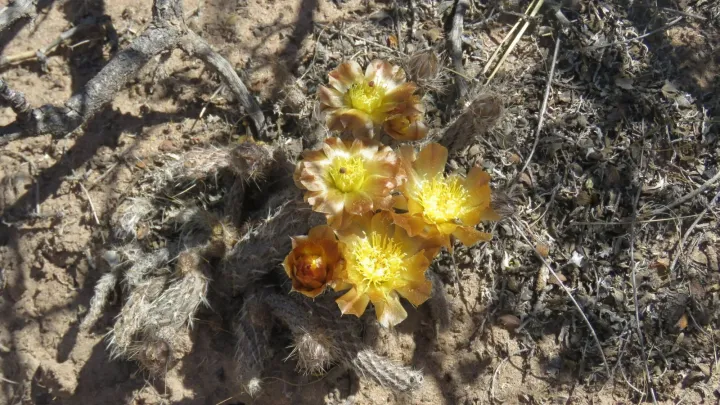
Description
Growing requirements
Pterocactus tuberosus is a distinct species belonging to the Cactaceae family, native to the arid landscapes of Argentina. The plant is botanically characterized by a massive, fleshy tuberous root system, which serves as a vital survival mechanism for storing water and nutrients in harsh, drought-prone environments.
In terms of agricultural requirements, the species demands a highly porous, gritty substrate that ensures rapid drainage. A mixture containing sand, gravel, and minimal organic matter is ideal for preventing moisture accumulation, which can be fatal to the tuberous structure of the plant.
The climate requirements for Pterocactus tuberosus involve a preference for intense solar radiation during the growing season. Adequate exposure to direct sunlight is essential for maintaining the structural integrity of the stems and preventing the etiolation that occurs when light levels are insufficient for normal development.
Watering practices must be strictly managed according to the season. During the active growth phase, water should be applied only when the substrate is completely dry. In the dormant winter months, water must be withheld entirely to facilitate the plant's natural metabolic rest and prevent accidental tissue decay.
Propagation is typically achieved through cuttings of the stem segments or, in rare cases, careful division of the tuberous roots. Ensuring proper air circulation during the healing period of the cuttings is crucial to prevent fungal entry and guarantee successful establishment of the new plant in its container.
Main diseases and pests
The primary threats to the health of this culture include various soil-borne pathogens, particularly fungi such as Fusarium and Pythium. These organisms thrive in damp, poorly aerated soils and specifically target the tuberous roots, leading to rapid rot and structural collapse.
In terms of insect pests, the root mealybug poses the most significant danger to cultivated populations. These pests reside within the soil, feeding on the roots and causing a decline in the plant's vigor; effective control requires systemic insecticides specifically formulated for soil application to reach the root zone.